We’ll never forget the day we learned what sun poisoning really means—not from a textbook, but sprawled out in a hotel room in Crete with skin that felt like it was on fire and a fever that knocked us flat. What we thought was just a bad sunburn turned into something much more serious, and it taught us everything we now know about recognizing and preventing sun poisoning while traveling.
Sun poisoning isn’t actually poisoning at all, but rather a severe reaction to UV radiation that goes beyond a typical sunburn. It can happen to anyone, anywhere sunny, and it absolutely will derail your trip if you’re not careful.
Table of Contents
What Is Sun Poisoning and How Is It Different from Sunburn
The Medical Reality of Severe Sun Exposure
Sun poisoning is the common term for a severe photodermatitis reaction, which is essentially an extreme inflammatory response to ultraviolet radiation. When we experienced it in Greece, we initially brushed it off as just another sunburn after a day exploring ancient ruins without proper shade breaks. But within six hours, we knew something was different.
Unlike a regular sunburn that causes redness and discomfort, sun poisoning triggers a systemic response throughout your entire body. Your immune system goes into overdrive responding to the cellular damage caused by UV rays, which explains why you feel genuinely sick rather than just uncomfortable. The condition typically develops after intense, prolonged sun exposure, especially when you’re not acclimated to strong UV levels.
We’ve learned that certain medications make you dramatically more susceptible, including common antibiotics like doxycycline that many travelers take for malaria prevention. Some people also have polymorphous light eruption, a genetic condition that causes an exaggerated reaction to sunlight that we didn’t even know existed until our dermatologist explained it after our trip.
Recognizing the Symptoms Before It Gets Worse
Early Warning Signs You Shouldn’t Ignore
The first symptom we noticed was that our skin didn’t just look red—it looked almost purple in patches and felt tight and swollen. Within a few hours of coming inside, we developed small fluid-filled blisters across our shoulders and chest that were nothing like the peeling we’d experienced with regular sunburns before.
The systemic symptoms hit us like a freight train that evening. We’re talking fever hovering around 101 degrees, chills despite the warm Greek night, nausea that made dinner impossible, and a headache that felt like a bad hangover. We felt genuinely flu-like, which is your body’s inflammatory response working overtime.
Some people develop a rash that extends beyond the sun-exposed areas, which is particularly characteristic of polymorphous light eruption. We had intense itching that started about twelve hours after exposure and lasted for days. Dizziness and dehydration are also common because the body is redirecting fluids to try to heal the damaged skin.
When It Becomes a Medical Emergency
We spoke with a doctor at a local clinic who explained the red flags that signal you need emergency care. Severe blistering covering a large body surface area, high fever above 102 degrees, extreme confusion or fainting, and signs of severe dehydration all require immediate medical intervention.
Infection is the biggest risk with sun poisoning because those blisters create open wounds. We had to watch carefully for increasing redness spreading outward, pus, red streaks extending from the blisters, or worsening pain days after the initial exposure. Any of these signs mean the blisters have become infected and need antibiotic treatment.
How to Treat Sun Poisoning While Traveling
Immediate Steps in the First 24 Hours
The moment we realized this was more than a typical burn, we got out of the sun completely and stayed indoors. We took cool—not cold—showers every few hours because the temperature difference helps reduce inflammation without shocking your system. We learned the hard way that ice directly on sun poisoning can actually damage the skin further.
Hydration became our full-time job. We drank water constantly and added oral rehydration salts we’d bought at the pharmacy to replace electrolytes lost through fever and the body’s inflammatory response. We also applied pure aloe vera gel from the fridge every couple of hours, which provided temporary relief from the burning sensation.
Over-the-counter anti-inflammatories made a significant difference. We took ibuprofen on schedule rather than waiting for pain to spike, which helped reduce both the skin inflammation and the systemic symptoms like fever and headache. We avoided any products containing benzocaine or lidocaine because our doctor warned they could cause additional allergic reactions on already compromised skin.
Caring for Blistered Skin Safely
The blisters were the trickiest part to manage while traveling. We learned from a pharmacist in Chania that you should never pop sun poisoning blisters intentionally because they’re protecting the raw skin underneath from infection. If they break on their own, we gently washed the area with mild soap and water and covered it with a non-stick sterile bandage.
We used a thin layer of antibiotic ointment only on broken blisters, not on intact skin, and changed the dressings twice daily. The non-stick bandages were essential because regular bandages adhered to the weeping blisters and caused additional damage when we removed them. We also wore the loosest cotton clothing we could find to avoid any friction against the damaged areas.
When You Need Professional Medical Care
We ended up visiting a clinic on day two because our symptoms weren’t improving. The doctor prescribed a short course of oral corticosteroids to calm the severe inflammatory response and a stronger topical steroid cream for the worst affected areas. This made an enormous difference within 24 hours.
If you’re traveling and experiencing sun poisoning, don’t hesitate to seek local medical care. Most popular tourist destinations have clinics experienced in treating travelers with sun-related issues. We paid about 60 euros for the consultation and prescriptions in Greece, which was completely worth it for the relief and peace of mind.
Prevention Strategies That Actually Work
Sunscreen Application Done Right
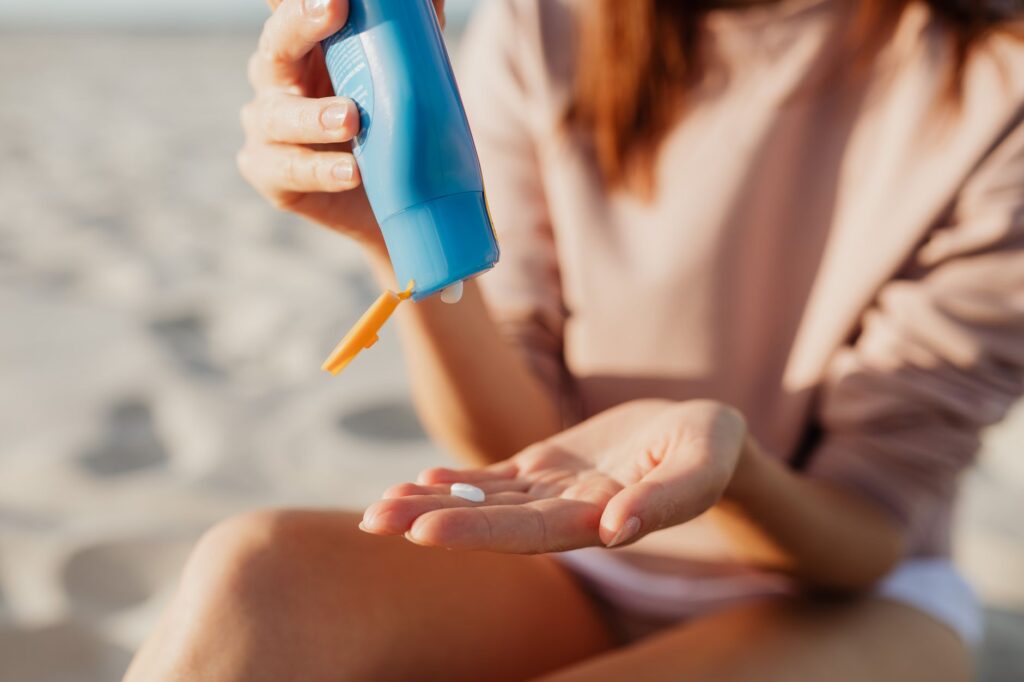
We thought we knew how to use sunscreen until our dermatologist walked us through what we’d been doing wrong for years. The key is applying a full ounce—enough to fill a shot glass—for your entire body, which is way more than most people use. We were probably using a quarter of that amount and wondering why we still burned.
We now apply sunscreen 30 minutes before going outside to let it absorb properly, and we reapply every 90 minutes when actively in the sun, not every two hours like the bottle says. If we’re swimming or sweating heavily, it’s every hour without exception. We also learned that SPF 30 blocks about 97 percent of UVB rays while SPF 50 blocks 98 percent, so going higher doesn’t provide dramatically more protection.
The formula matters more than we realized. We use mineral-based sunscreens containing zinc oxide or titanium dioxide now because they provide broad-spectrum protection and are less likely to cause skin reactions. Chemical sunscreens work fine for many people, but they made our skin feel irritated during our recovery period.
Building a Smart Sun Exposure Schedule
We completely restructured how we plan our travel days around sun exposure. We save outdoor activities for early morning before ten and late afternoon after four, when UV radiation is significantly lower. Those midday hours between eleven and three are now reserved for indoor museums, leisurely lunches in shaded restaurants, or genuine siesta time back at our accommodation.
When we’re exploring somewhere with limited shade like archaeological sites or beach destinations, we take scheduled breaks every 90 minutes to get completely out of the sun. We’ve found that even 15 minutes in air-conditioned interiors helps reset our skin’s tolerance and reduces cumulative exposure throughout the day.
Protective Clothing as Your First Defense
After our sun poisoning experience, we invested in proper sun-protective clothing and it’s changed how we travel. We now pack lightweight long-sleeve shirts and pants made from UPF-rated fabric that blocks UV rays while still being breathable in hot climates. These provide much more reliable protection than sunscreen alone.
Wide-brimmed hats became non-negotiable for us—not baseball caps but actual brims that shade our face, ears, and neck. We learned that our ears and the back of our neck are particularly vulnerable to severe burns because the skin there is thin and we often forget to apply sunscreen thoroughly in those spots.
We also started wearing UV-protective sunglasses rated to block 100 percent of UVA and UVB rays. Not only do they protect the delicate skin around our eyes, but they also reduce the risk of eye damage from prolonged sun exposure, which can happen even when you’re wearing sunscreen on your face.
High-Risk Destinations and Situations
Locations Where UV Intensity Surprises Travelers
We got complacent during our Scandinavia trip because we associated sunburn with tropical beaches, not Nordic countries. But UV radiation at high latitudes during summer can be incredibly intense because the days are so long and you’re outside for many more cumulative hours. We spent fourteen hours exploring Oslo in June and accumulated far more sun exposure than we realized.
High-altitude destinations are particularly dangerous because UV radiation increases approximately four percent with every thousand feet of elevation gain. We learned this hiking in the Andes, where we burned badly at 12,000 feet despite it being cool and breezy. The thin atmosphere provides less protection from UV rays, and the cool temperature tricks you into thinking you’re not getting sun damage.
Tropical locations near the equator have the most direct sun exposure year-round. We’re extra vigilant when traveling in Southeast Asia, Central America, and East Africa because the sun is directly overhead and UV levels remain consistently high throughout the day, even during shoulder seasons.
Activities That Increase Your Risk Dramatically
Water activities are deceptively dangerous because the water reflects UV radiation back onto your skin, essentially giving you double exposure. We’ve experienced some of our worst burns while snorkeling and kayaking because we were so focused on the activity that we forgot about time and sun protection. The cooling effect of water also masks the burning sensation until it’s too late.
Snow sports carry similar risks because snow reflects up to 80 percent of UV radiation. We got badly burned skiing in Colorado during our first winter trip there because we only applied sunscreen once in the morning and didn’t realize we needed to reapply just as diligently as at the beach.
We’re also cautious around swimming pools with light-colored decking and beaches with white sand because these surfaces reflect significant UV radiation upward. We got burned under our chin and on the underside of our arms during a day at a resort pool in Mexico from reflected UV we didn’t anticipate.
Best Time to Be Outside When Traveling
Planning Your Daily Schedule Around UV Levels
We structure our travel days completely differently now after learning about circadian UV patterns. The safest times for extended outdoor activities are before ten in the morning and after four in the afternoon when the sun is at a lower angle and UV rays have to travel through more atmosphere to reach you.
The hours between eleven and three account for approximately 70 percent of the day’s total UV exposure, even though they represent only a third of daylight hours. We schedule indoor activities during this window—museums, restaurants, shopping, working from cafes, or simply resting at our accommodation to recharge for evening exploration.
During summer months at higher latitudes, daylight extends much later, which we’ve learned to take advantage of. We can comfortably explore Nordic cities until nine or ten at night during June and July with significantly less UV risk than midday, which lets us see everything we want while staying safer.
Frequently Asked Questions
How long does sun poisoning last and when will I feel better?
Based on our experience and what our doctor told us, mild to moderate sun poisoning typically improves within three to five days, though the skin symptoms can persist for a week or more. The systemic symptoms like fever, chills, and nausea usually resolve within 48 to 72 hours with proper treatment and rest. Our skin continued peeling for about two weeks after the initial burn, and we had to be extremely careful about additional sun exposure during that healing period because the new skin was particularly vulnerable. Severe cases can take longer, and some people experience persistent photosensitivity for weeks or even months afterward.
Can I get sun poisoning through a car window or while wearing sunscreen?
Yes to both, unfortunately. We learned that standard car windows block most UVB rays but allow UVA rays to pass through, which can cause sun poisoning during long drives, especially if you’re the driver with sun streaming through the side window for hours. We now use UV-blocking window film on our vehicle and apply sunscreen even for long driving days. As for sunscreen, you can absolutely get sun poisoning while wearing it if you’re not applying enough, not reapplying frequently enough, or if the sunscreen has expired or been compromised by heat. We also learned that no sunscreen is 100 percent effective, so combining it with protective clothing and schedule adjustments is essential.
Are some skin types more susceptible to sun poisoning than others?
People with fair skin, light hair, and light eyes have the highest risk because they have less melanin to protect against UV damage, but we’ve met travelers of all skin types who’ve experienced sun poisoning. What surprised us was learning that certain ethnicities rarely exposed to intense sun can be at higher risk when traveling to sunny climates, regardless of their natural skin tone, simply because their skin isn’t acclimated. Medications and medical conditions also play a huge role—we had a friend develop sun poisoning while taking an antibiotic that made her photosensitive, even though she normally tanned easily without burning. Anyone taking diuretics, certain antibiotics, or acne medications should be especially careful.
What’s the difference between sun poisoning and heat stroke?
This confused us initially because some symptoms overlap, but they’re distinct conditions requiring different treatment. Sun poisoning is a skin and immune system reaction to UV radiation that causes severe sunburn, blistering, rash, fever, and flu-like symptoms. Heat stroke is a life-threatening condition caused by your body overheating, typically from prolonged exposure to high temperatures, with core body temperature rising above 104 degrees, confusion, potential loss of consciousness, and hot dry skin. You can have sun poisoning without heat stroke and vice versa, though they can occur together after a day in hot, sunny conditions. When we had sun poisoning in Greece, our fever was moderate and we remained alert and oriented, which distinguished it from heat stroke. If you suspect heat stroke—especially the confusion and altered mental state—you need emergency medical care immediately.
Will sun poisoning cause permanent skin damage or increase my cancer risk?
Our dermatologist was straightforward with us about this: yes, severe sun damage from sun poisoning can have long-term consequences. Each episode causes DNA damage to skin cells, and repeated severe burns significantly increase your lifetime risk of both melanoma and non-melanoma skin cancers. We also learned that sun poisoning can accelerate visible signs of aging like wrinkles, sun spots, and loss of skin elasticity. Some people develop chronic photosensitivity after severe sun poisoning, meaning they become more reactive to sun exposure going forward. This was a wake-up call for us to completely change our sun protection habits because we don’t want to deal with skin cancer screenings and treatments decades down the road from preventable damage during our travels.
Can children get sun poisoning and how do I protect traveling kids?
Children are actually more susceptible to sun poisoning than adults because their skin is thinner and more sensitive, with less developed melanin protection. We’ve seen too many families on vacation with kids sporting severe burns that clearly go beyond normal sunburn. Babies under six months shouldn’t be in direct sunlight at all and shouldn’t wear sunscreen—they need complete physical protection through clothing, hats, and shade. For older children, we recommend mineral-based sunscreens, UV-protective rash guards for swimming, wide-brimmed hats, and strictly limiting sun exposure during peak hours. Kids don’t always communicate discomfort well, so parents need to be vigilant about checking for redness and symptoms every few hours. We also make sun protection fun for the kids we travel with by letting them choose colorful UV-protective clothing and making reapplication breaks part of the adventure routine.
Our Travel Resources
We learned most of these lessons about sun safety the hard way, through uncomfortable experiences that could have been avoided with better preparation. Now we always travel with a comprehensive first aid kit that includes various sunscreens, after-sun care products, anti-inflammatories, and antibiotic ointment specifically for treating sun-related skin issues.
Before any trip to a sunny destination, we research local medical facilities and save the locations and contact information in our phones. Knowing where to find help when you need it reduces stress enormously when you’re dealing with sun poisoning symptoms. We also make sure our travel insurance covers medical treatment for sun-related conditions, which most policies do but it’s worth confirming.
We keep a sun safety checklist in our packing notes now: mineral sunscreen for face and body, UV-protective clothing including long sleeves and wide-brimmed hats, quality sunglasses, aloe vera gel for after-sun care, and extra hydration supplies for hot destinations. These items take up minimal space but make an enormous difference in staying healthy while traveling.
Planning your daily itinerary with sun safety in mind doesn’t mean missing out on anything—it just means being strategic about timing. We’ve found that early morning and late afternoon light is better for photography anyway, indoor midday breaks give us time to process and enjoy what we’ve seen, and evening exploration often reveals a completely different side of a destination. Protecting yourself from sun poisoning lets you actually enjoy your entire trip rather than spending days recovering in your hotel room like we did in Crete.
 Uncategorized15 Best Beach Essentials for Travelers in 2025 (Tested Guide)After years of chasing coastlines from Portugal to Thailand, we've learned exactly which beach essentials are…
 UncategorizedSun Poisoning Symptoms: What Every Traveler Should Know (2025 Guide)After years of chasing sun-soaked destinations, we've seen firsthand how quickly a perfect beach day can…
 UncategorizedSingles Vacations: The Solo Traveler’s Guide (2026 Best Trips)Singles vacations aren't just about traveling alone—they're about the freedom to explore on your terms while…
Some links in this article are affiliate links — we only recommend things we would use ourselves, at no extra cost to you.