
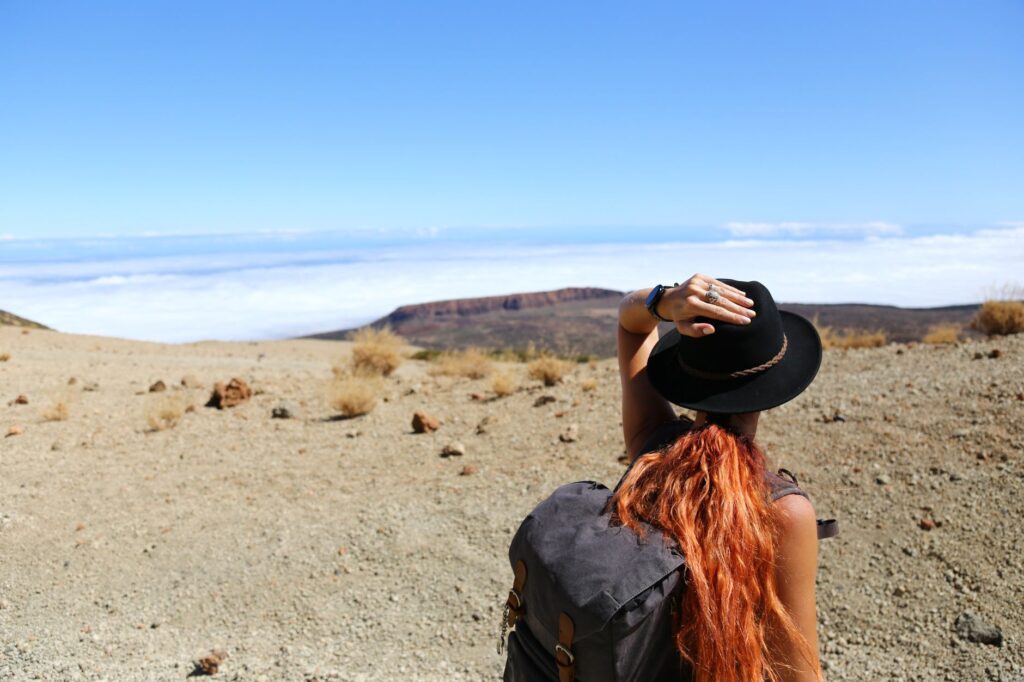
Singles vacations aren’t just about traveling alone—they’re about the freedom to explore on your terms while connecting with others when you want. We’ve spent years perfecting the art of solo travel, and we’re sharing everything we’ve learned about the best singles vacations that balance independence with the opportunity to meet like-minded travelers.
Whether you’re looking for group tours designed for solo travelers, destinations where you’ll naturally meet people, or tips for navigating the world on your own, this guide covers it all from real experience on the road.
Why Singles Vacations Are Different from Regular Solo Travel
When we first started traveling alone, we assumed solo travel and singles vacations were the same thing. They’re not. Solo travel can mean eating every meal alone and spending days without a real conversation. Singles vacations are intentionally designed around connecting with other travelers while maintaining your independence.
We learned this distinction in Portugal, when we stayed at a social hostel in Lagos versus a quiet Airbnb in Sintra. Both were solo trips, but only one gave us the option to join a group for sunset at the cliffs or grab drinks with other travelers after dinner.
The key difference is infrastructure. Singles vacations happen in places with hostels that organize group activities, tour companies offering single supplements or solo traveler meetups, and cities with thriving expat and digital nomad scenes where striking up conversations feels natural.
The Social Solo Travel Mindset
The best singles vacations we’ve taken happened when we showed up with openness but no expectations. In Bali, we met our closest travel friends by simply sitting at a communal table at a café in Canggu. In Iceland, a small group tour brought together eight solo travelers who ended up extending the trip together.
You’re not obligated to be social every moment. We love having mornings to ourselves with coffee and a book, then joining group activities in the afternoon. The beauty of traveling as a single person is choosing your own balance.
Best Destinations for Singles Vacations
1. Lisbon, Portugal
Lisbon became one of our favorite cities for solo travelers because the infrastructure makes meeting people effortless. The hostel scene in Bairro Alto and Cais do Sodré is incredibly social, with nightly dinners, pub crawls, and day trips to Sintra organized by the accommodations themselves.
We spent our days wandering Alfama’s tile-covered streets alone, then joined a hostel-organized sunset boat party on the Tagus River where we met travelers from twelve different countries. The tram rides, miradouros with million-dollar views, and affordable wine made solo exploring a joy.
2. Chiang Mai, Thailand
Chiang Mai is practically designed for solo travelers seeking community. The digital nomad scene means coworking spaces double as social hubs, and there are more group activities than you could possibly join. We took a Thai cooking class where all eight participants were traveling alone, and we ended up exploring night markets together that evening.
The Old City is walkable and safe, temple hopping is easy to do alone, and the Sunday Walking Street market creates natural opportunities to strike up conversations. Plus, everything is incredibly affordable, so you can splurge on a private room without breaking your budget.
3. Reykjavik, Iceland
Iceland surprised us as a singles destination because the small group tour culture means you’re rarely actually alone. We booked a Golden Circle tour and found ourselves in a van with five other solo travelers. By the end of the day at Thingvellir and Gullfoss, we’d made plans to hunt for Northern Lights together.
Reykjavik itself is tiny and easy to navigate solo. We loved the café culture on Laugavegur street and the public pools, where locals and travelers mix naturally. The safety factor is off the charts—we never once felt uncomfortable walking at night.
4. Medellín, Colombia
Medellín’s transformation into a digital nomad and solo traveler hub is remarkable. The Poblado neighborhood has dozens of hostels, coworking spaces, and restaurants that cater to international travelers. We stayed at a social hostel that organized daily activities from salsa lessons to coffee farm tours, all filled with other solo travelers.
The metro system makes getting around easy and safe, and Comuna 13’s graffiti tour is best experienced with others you’ll naturally meet on the tour itself. The expat community is welcoming, and there are regular meetups for travelers looking to connect.
5. Bali, Indonesia
Bali, specifically Canggu and Ubud, has become synonymous with solo travel. The island attracts independent travelers in droves, which means the infrastructure is perfectly set up for meeting people. We joined a sunrise hike up Mount Batur with a group of solo travelers and watched the sun rise over the volcanoes together.
Coworking spaces like Dojo in Canggu host community dinners and events. Yoga studios create natural opportunities to chat before and after class. Even the beach clubs have communal seating areas where conversations start easily.
6. Barcelona, Spain
Barcelona combines the ease of solo city exploration with endless opportunities to connect. The hostel scene along Las Ramblas and in El Raval is among Europe’s most social, and free walking tours attract solo travelers who often continue exploring together afterward.
We met a group of solo travelers at La Boqueria market during a food tour and ended up spending three days exploring Park Güell, taking the cable car up Montjuïc, and sharing paella in Barceloneta together. The beach bars make solo drinking feel natural rather than lonely.
Solo-Friendly Tour Options That Actually Work
Small Group Adventure Tours
We’ve tried several tour companies that cater specifically to solo travelers, and the ones that worked best kept groups small and itineraries flexible. Intrepid Travel and G Adventures consistently had groups where at least half were traveling alone, which immediately creates camaraderie.
Our favorite was a ten-day tour through Morocco with G Adventures. Of the twelve people, nine were solo travelers ranging from mid-twenties to late sixties. The mix of structured activities like guided medina walks and free time for personal exploration struck the perfect balance.
Day Tours and Experiences
Sometimes the best singles vacations don’t require committing to a full tour. We’ve booked countless day trips and single experiences where we naturally met other solo travelers. A wine tasting tour in Tuscany, a street food walk in Bangkok, a surfing lesson in Portugal—each brought together small groups where solo travelers were the norm.
The advantage of this approach is flexibility. You can be social for a day, then retreat to solo exploration the next. We met some of our favorite travel companions on a day trip to Sintra from Lisbon, then chose to meet up again later in Porto.
Hostel-Organized Group Activities
Modern hostels have evolved far beyond cheap beds and shared bathrooms. The best ones function as social hubs with organized activities that make meeting people effortless. When we stayed at Selina locations across Latin America, daily yoga, communal dinners, and weekend excursions meant we were never alone unless we chose to be.
Even if you book a private room at these hostels, you get access to all the social programming. We’ve done this countless times when we wanted our own space but didn’t want to miss the community vibe.
How to Meet People While Traveling Solo
1. Stay in Social Accommodations
Your accommodation choice makes or breaks your ability to meet people on singles vacations. We alternate between hostels with strong social scenes and boutique hotels depending on our mood, but when we want to connect with others, hostels with communal spaces, organized dinners, and group activities are unbeatable.
Look for places with communal kitchens, rooftop bars, or living room areas where people naturally gather. The best interactions we’ve had happened while cooking dinner alongside other travelers or during a hostel’s happy hour.
2. Join Free Walking Tours
Free walking tours attract budget-conscious solo travelers by nature. We’ve taken them in over thirty cities, and they consistently provide natural opportunities to meet people. The tours usually last two to three hours, after which small groups often continue to lunch or a museum together.
In Budapest, we met two other solo travelers on a free walking tour and spent the next two days exploring the ruin bars and thermal baths together. The shared experience of learning about a place creates instant common ground.
3. Take a Class or Workshop
Cooking classes, language exchanges, dance lessons, and craft workshops create structured social time with built-in conversation topics. We’ve taken cooking classes specifically as a way to meet people in new destinations, and it works every single time.
In Vietnam, a cooking class in Hoi An brought together eight solo travelers. We spent the morning at the market together, cooked traditional dishes, then ate our creations family-style while sharing travel stories. Three of us ended up traveling to Hue together the following week.
4. Use Social Apps for Travelers
Apps like Meetup, Bumble BFF travel mode, and Couchsurfing Hangouts help solo travelers connect in specific cities. We’ve used them to find group dinners, hiking buddies, and local insights from expats and long-term travelers.
In Mexico City, we joined a Meetup for a street art tour in Roma Norte and met a mix of solo travelers and locals. The group continued to a mezcal bar afterward, and we got restaurant recommendations that never would have made it into guidebooks.
Safety Tips We Actually Use
Trust Your Instincts Always
Every safety guideline comes second to your gut feeling. We’ve walked away from situations that seemed fine on paper but felt off, and we’ve never regretted listening to that internal voice. If a hostel feels sketchy when you arrive, book somewhere else. If someone seems too eager to help, politely decline.
Solo travel safety is about awareness, not paranoia. We stay alert in new places, avoid obvious risks like walking through empty areas late at night, and always tell someone our plans when heading out for the day.
Share Your Location and Itinerary
We keep a trusted friend or family member updated on our general location and plans. This doesn’t mean checking in every hour, but rather sharing which city we’re in, where we’re staying, and when we’re moving to the next destination.
Phone tracking apps give peace of mind to people at home without requiring constant communication. We use Find My Friends and share our location with a couple of close contacts who know to check in if they haven’t heard from us in a few days.
Keep Valuables Secure
The basics matter. We use anti-theft backpacks for day trips, keep copies of important documents in cloud storage, and never leave laptops or cameras visible in hostel rooms. Most theft is opportunistic, and simple precautions eliminate most risk.
Hotel safes get our passports, extra cash, and backup credit cards. We carry only what we need for the day, and we’ve learned the hard way to keep emergency cash hidden separately from our main wallet.
What to Pack for Singles Travel
Pack Light, Stay Flexible
Singles vacations often involve more spontaneity than couple or family travel. We might extend a stay, change cities on short notice, or join an impromptu group trip. Traveling with just a carry-on backpack makes all of this infinitely easier.
We pack versatile clothing that works for multiple situations, always including one nicer outfit for dinners or nights out. Layers handle temperature changes, and quick-dry fabrics mean we can wash clothes in a sink and wear them again the next day.
Social Essentials
Beyond typical travel gear, singles vacations benefit from a few social facilitators. We always pack a deck of cards, which has sparked countless hostel common room games and conversations. A portable speaker creates instant atmosphere for beach days or hostel pregames.
A small notebook and nice pen serve double duty for journaling and collecting contact information from new friends. Sure, we exchange Instagram handles, but there’s something special about someone writing their email or WhatsApp in your travel journal.
Safety and Comfort Items
A good padlock secures hostel lockers. Earplugs and an eye mask ensure sleep in shared rooms. A portable charger keeps our phone alive for maps and communication. These small items dramatically improve the solo travel experience.
We also pack a basic first aid kit and any prescription medications with extras, because being sick alone abroad is miserable, and having supplies on hand makes everything more manageable.
Where to Eat Solo Without Feeling Awkward
Counter Seating Is Your Friend
Restaurant counters and bar seating eliminate the awkwardness of solo dining. In Japan, we ate nearly every meal at ramen and sushi counters, chatting with chefs and neighboring diners. The setup naturally facilitates interaction without requiring it.
Tapas bars in Spain work similarly. Standing at the bar with a glass of wine and some jamón ibérico, you’re just another person enjoying good food, not a solo diner at a table for two.
Food Markets and Street Food
Markets with communal seating put everyone in the same boat. Time Out Market in Lisbon, La Boqueria in Barcelona, Or Tor Kor in Bangkok—these spaces normalize eating alone because the focus is on the food, not the company.
Street food takes this even further. Grabbing pad thai from a cart in Bangkok or tacos from a stand in Mexico City, you eat standing or perched on a plastic stool alongside locals and travelers alike. Zero pressure, maximum deliciousness.
Cafés for Long Lingering
Cafés designed for laptop work double as perfect solo dining spots. Order breakfast or lunch, open a book or computer, and settle in. We’ve spent hours at cafés in Chiang Mai, Medellín, and Lisbon, eating slowly while watching the world go by.
Many cafés in digital nomad hubs have communal tables that make striking up conversations natural. We’ve met countless travelers over shared tables at Punspace in Chiang Mai and Café con Libros in Buenos Aires.
Where to Stay
For singles vacations, accommodation is about more than just a bed. Social hostels with strong programming create built-in communities. Look for places advertising group dinners, organized day trips, and communal spaces where travelers naturally gather.
Selina locations across Latin America and Europe offer a good middle ground with both dorm beds and private rooms, but access to all social activities. We’ve stayed at their properties in Colombia, Portugal, and Costa Rica, always meeting other travelers through their yoga classes, coworking spaces, and evening events.
Boutique hostels cater to older solo travelers wanting a social atmosphere without party hostels’ chaos. Generator Hostels in European cities and Freehand in Miami and Los Angeles provide stylish spaces, private room options, and rooftop bars where meeting people happens organically.
For those preferring hotels, book accommodations in neighborhoods with strong café and coworking cultures. Staying in Poblado in Medellín, Canggu in Bali, or Nimman in Chiang Mai means community is right outside your door even if your hotel isn’t specifically social.
How to Get There
Singles vacations start with getting to your destination, and the journey itself offers opportunities to meet fellow travelers. We often chat with seatmates on flights, exchange destination tips, and occasionally even coordinate shared airport transfers with people heading to the same area.
Budget airlines make getting to popular solo travel destinations affordable. We’ve flown across Europe on Ryanair and EasyJet for less than bus tickets would cost. In Southeast Asia, AirAsia connects the entire region for bargain prices. Latin America has a growing network of budget carriers making country-hopping accessible.
Research local transportation before arriving. Metro systems in cities like Lisbon, Barcelona, and Bangkok are safe, efficient, and easy to navigate solo. Many airports offer express trains directly to city centers for a fraction of taxi costs.
For destinations requiring more remote access, look into shared shuttle services or small group tours that include transportation. Getting to Interlaken in Switzerland or Queenstown in New Zealand often involves scenic train or bus rides where you’ll naturally meet other travelers heading to outdoor adventure hubs.
Costs
Singles vacations cost more than couple travel in some ways and less in others. The single supplement on tours and hotels can add thirty to fifty percent to accommodation costs, but many tour operators now waive this for solo travelers willing to share a room, or if you’re lucky, you’ll get a private room at no extra charge when no roommate is available.
| Destination | Hostel Dorm | Mid-Range Hotel | Daily Food | Activities |
|---|---|---|---|---|
| Lisbon | 20-30 USD | 60-90 USD | 25-40 USD | 15-50 USD |
| Chiang Mai | 8-15 USD | 30-50 USD | 10-20 USD | 10-30 USD |
| Barcelona | 25-40 USD | 80-120 USD | 30-50 USD | 20-60 USD |
| Medellín | 12-20 USD | 40-70 USD | 15-25 USD | 15-40 USD |
Solo travel actually saves money in some areas. We eat street food for five dollars instead of splitting a fifty-dollar restaurant meal. We’re flexible with last-minute flight deals and accommodation changes. And we never compromise on activities because someone else doesn’t want to spend the money.
Group tours specifically for singles often cost more upfront but include most expenses, making budgeting simpler. That week in Morocco we mentioned cost about fifteen hundred dollars but included accommodation, most meals, transportation, and a guide. Organizing it independently as a solo traveler would have been complicated and possibly more expensive.
Best Time to Visit
Timing singles vacations strategically can dramatically affect your experience. High season in popular destinations means more travelers, which translates to easier opportunities to meet people. Hostels are full, tours run daily, and the overall energy is higher.
Shoulder seasons offer the best balance. We love traveling in April, May, September, and October when weather is still good but crowds have thinned slightly. You meet other travelers but aren’t fighting masses for restaurant tables or tour spots.
Some destinations have specific solo traveler seasons based on the demographics they attract. Chiang Mai’s digital nomad community peaks during North American and European winters when people escape cold weather. Bali similarly fills with location-independent workers from November through March.
Consider seasonal activities when planning singles vacations. Northern Lights season in Iceland runs September through March, bringing tour groups full of solo travelers. Summer in Barcelona means beach season and outdoor festival energy perfect for meeting people.
FAQ
Is it weird to go on vacation by yourself?
Not even a little bit. Solo travel is incredibly common now, and you’ll meet countless other people traveling alone once you start. We felt self-conscious about eating dinner alone on our first solo trip, but by day three we loved the freedom. Most travelers we meet are either solo or have done significant solo travel at some point. The stigma has largely disappeared, especially in popular travel destinations where solo travelers are the norm rather than the exception.
Are singles vacations only for people looking to date?
Absolutely not. Singles vacations simply mean travel designed for people traveling without a partner, not people necessarily looking for romance. Most solo travelers we meet are focused on exploration, adventure, and making friends rather than dating. That said, if romance happens, great—but it’s definitely not the primary purpose for most people. The term “singles” really just means “traveling as one person” rather than implying relationship status or intentions.
How do I meet people on singles vacations if I am introverted?
As introverts ourselves, we’ve found structured activities work best. Cooking classes, small group tours, and hostel-organized events provide natural conversation frameworks without requiring you to approach strangers cold. You can also ease into socializing by spending time in communal hostel spaces with a book—people often approach you, taking the pressure off initiating. We balance social time with plenty of alone time to recharge, and that rhythm works perfectly. Remember that many solo travelers are introverted, so everyone understands the need for both connection and solitude.
What are the safest destinations for first-time solo travelers?
Portugal, Iceland, Japan, Singapore, and New Zealand consistently rank as safest for first-time solo travelers based on our experience and other travelers we’ve met. These countries have excellent infrastructure, low crime rates, and well-established tourist networks that make navigation straightforward. European cities generally feel very safe for solo travelers, particularly in Scandinavia and Western Europe. Southeast Asian destinations like Chiang Mai and Ubud in Bali have huge solo traveler communities, which creates safety in numbers and plenty of resources for newcomers.
Should I book a singles tour or plan everything independently?
This depends entirely on your travel style and comfort level. If you want guaranteed companionship and simplified logistics, singles-focused tours work beautifully—you’ll meet other solo travelers immediately and have built-in structure. We’ve done both, and tours worked great for destinations where we wanted local expertise and didn’t want to manage complex logistics. Independent travel offers more flexibility and often lower costs, but requires more research and comfort with uncertainty. Many travelers do a hybrid approach, booking a tour for one portion of a trip and traveling independently for another.
How much more expensive is solo travel compared to traveling with someone?
Solo travel costs more for accommodation due to single supplements, typically adding twenty-five to fifty percent over the per-person cost of sharing a room. However, you save money in other areas—hostels are budget-friendly, you eat exactly what you want without compromise, and you take only the tours and activities that interest you. Overall, budget-conscious solo travelers can spend the same or even less than couples by staying in hostels, eating street food, and being flexible with plans. Luxury solo travel definitely costs more since you’re absorbing all costs yourself, but budget and mid-range solo travel can be quite affordable.
Our Travel Resources
We’ve learned through years of singles vacations that a few good resources make everything easier. For flights, we search multiple booking platforms to compare prices and set alerts for price drops on routes we’re considering. Being flexible with dates often saves hundreds of dollars, and positioning flights to major hubs can make reaching secondary destinations much cheaper.
Accommodation booking works best when you read recent reviews carefully, filtering for solo traveler experiences specifically. Look for mentions of social atmosphere, safety, and whether staff organize group activities. We often book just the first few nights, then extend or move based on the actual vibe once we arrive.
Travel insurance is non-negotiable for international singles vacations. Medical coverage, trip interruption protection, and lost baggage coverage provide crucial peace of mind when traveling alone. We research providers that specifically cover adventure activities if our trips involve hiking, diving, or other potentially risky pursuits.
Local SIM cards or international phone plans keep us connected for maps, communication, and emergencies. Being able to call an Uber, message new friends, or look up restaurant recommendations on the go makes solo travel exponentially easier. We usually buy local SIMs at airports immediately upon arrival for the best rates and reliable service.
 Uncategorized15 Best Beach Essentials for Travelers in 2025 (Tested Guide)After years of chasing coastlines from Portugal to Thailand, we've learned exactly which beach essentials are…
 UncategorizedSun Poisoning Symptoms: What Every Traveler Should Know (2025 Guide)After years of chasing sun-soaked destinations, we've seen firsthand how quickly a perfect beach day can…
 Uncategorized12 Best Things to Do in Marrakech, Morocco (2026 Guide)Marrakech hit us with a sensory overload the moment we stepped into the medina—saffron-scented air, the…
Some links in this article are affiliate links — we only recommend things we would use ourselves, at no extra cost to you.