
Marrakech hit us with a sensory overload the moment we stepped into the medina—saffron-scented air, the call to prayer echoing off terracotta walls, and a maze of alleyways that begged us to get delightfully lost. We spent two weeks exploring this incredible city, and we’re sharing all the best things to do in Marrakech that made us fall hard for Morocco’s Red City. From sunrise at ancient palaces to sunset camel rides in the Agafay Desert, these are the experiences we’d do all over again in a heartbeat.
Table of Contents
1. Get Lost in the UNESCO Medina
The medina of Marrakech is a UNESCO World Heritage Site, and honestly, the best way to experience it is to toss your map aside and just wander. We spent our first morning weaving through narrow alleyways lined with ochre walls, stumbling upon hidden fondouks, artisan workshops where leatherworkers hammered away at bags, and tiny doorways that opened into stunning riads. The architecture alone—intricate zellige tilework, carved cedar doors, and those iconic terracotta tones—kept us snapping photos at every turn.
Give yourself at least half a day with no agenda. We loved starting near Bab Agnaou gate in the south and meandering north toward the souks, stopping whenever something caught our eye. The medina is generally safe during daylight hours, though it does get quieter in the outer sections.
2. Experience Jemaa el-Fnaa at Sunset
Jemaa el-Fnaa is the beating heart of Marrakech, and it completely transforms as the sun goes down. By day, it’s snake charmers and orange juice vendors. By night, it erupts into a carnival of food stalls, storytellers, henna artists, and Gnaoua musicians. We grabbed a table on one of the second-floor café terraces around six in the evening and watched the whole square come alive as the light turned golden.
The energy is intoxicating. After sunset, we descended into the chaos to try grilled merguez, snail soup from cart number 14, and sweet msemen drizzled with honey. Yes, it’s touristy, but it’s also authentic in its own chaotic way—locals eat here too, especially at the newer food stalls on the western edge.
3. Wander Through Bahia Palace
Bahia Palace is one of those places that stops you in your tracks with its beauty. Built in the late 1800s for a grand vizier, this sprawling palace is a masterpiece of Moroccan craftsmanship—painted cedar ceilings, stained glass windows, and lush courtyards filled with orange trees and fountains. We visited on a weekday morning around nine and had whole rooms nearly to ourselves.
The palace takes about an hour to explore. Don’t rush through the Cour d’Honneur—the grand courtyard with its geometric zellige tiles is pure magic in morning light. We also loved the smaller private apartments where the vizier’s wives once lived, each room more intricately decorated than the last.
4. Find Peace at Jardin Majorelle
After the intensity of the medina, Jardin Majorelle felt like a cool drink of water. This botanical garden was designed by French painter Jacques Majorelle in the 1920s and later restored by Yves Saint Laurent. The electric cobalt blue buildings set against emerald bamboo groves and cactus gardens create this dreamy, almost surreal atmosphere. We spent a good two hours here just sitting by the lily ponds and soaking in the calm.
The garden also houses the Berber Arts Museum, which we found genuinely fascinating—beautiful collections of jewelry, textiles, and ceremonial pieces from Morocco’s indigenous Amazigh people. It’s a short walk from the garden exit and included in your ticket.
5. Soak in a Traditional Hammam
A traditional hammam experience is one of the best things to do in Marrakech for getting under the skin of Moroccan culture. We went to a local hammam in the Mouassine neighborhood—no fancy spa, just a neighborhood bathhouse where Marrakchis have been scrubbing down for generations. The ritual involves steaming in a hot room, getting absolutely covered in black olive soap, then being scrubbed within an inch of your life by an attendant with a kessa glove.
It’s intense, it’s humbling, and your skin will feel like silk afterward. The whole experience cost us about 150 dirhams including the scrub and a small tip. If you prefer something more polished, many riads offer private hammam experiences, though they lack that authentic local vibe we loved.
6. Shop the Souks Like a Local
The Marrakech souks are a labyrinth of specialized markets, and shopping here is equal parts treasure hunt and cultural immersion. We spent three separate mornings exploring different sections—Souk Semmarine for textiles and babouche slippers, Souk Haddadine for lanterns and metalwork, and the Rahba Kedima spice square where we bought saffron, ras el hanout, and argan oil to bring home. Each souk has its own character and the artisans working there are often masters of centuries-old crafts.
Haggling is expected and honestly part of the fun. We found that offering about half the initial asking price, then meeting somewhere in the middle, worked well. The best purchases we made were a hand-knotted Beni Ourain rug and a set of olive wood serving boards—both directly from the craftsmen who made them.
7. Take a Moroccan Cooking Class
Learning to make tagine and Moroccan salads in a Marrakech riad kitchen was hands-down one of our favorite experiences. We booked a half-day class that started with a market tour through the food souks—our instructor Fatima taught us how to pick the ripest tomatoes, bargain for fresh coriander, and distinguish between different olive varieties. Back at the riad, we chopped, stirred, and learned the secret to fluffy couscous and perfectly spiced lamb tagine.
The best part was sitting down afterward to eat everything we’d made, paired with fresh khobz bread and Moroccan wine. We’ve made that tagine recipe a dozen times since getting home, and it always transports us right back to that sunny rooftop kitchen. Most classes run about 400 to 600 dirhams per person and last four to five hours including the meal.
8. Step Back in Time at Ben Youssef Madrasa
This 14th-century Islamic college is one of the most beautiful historical sites in Marrakech. Ben Youssef Madrasa once housed over 900 theology students in tiny cell-like rooms arranged around a central courtyard. The courtyard itself is a masterpiece—intricate stucco carvings, cedar wood screens, and a serene reflecting pool that mirrors the ornate architecture above. We visited late afternoon and loved how the shifting light played across the geometric patterns.
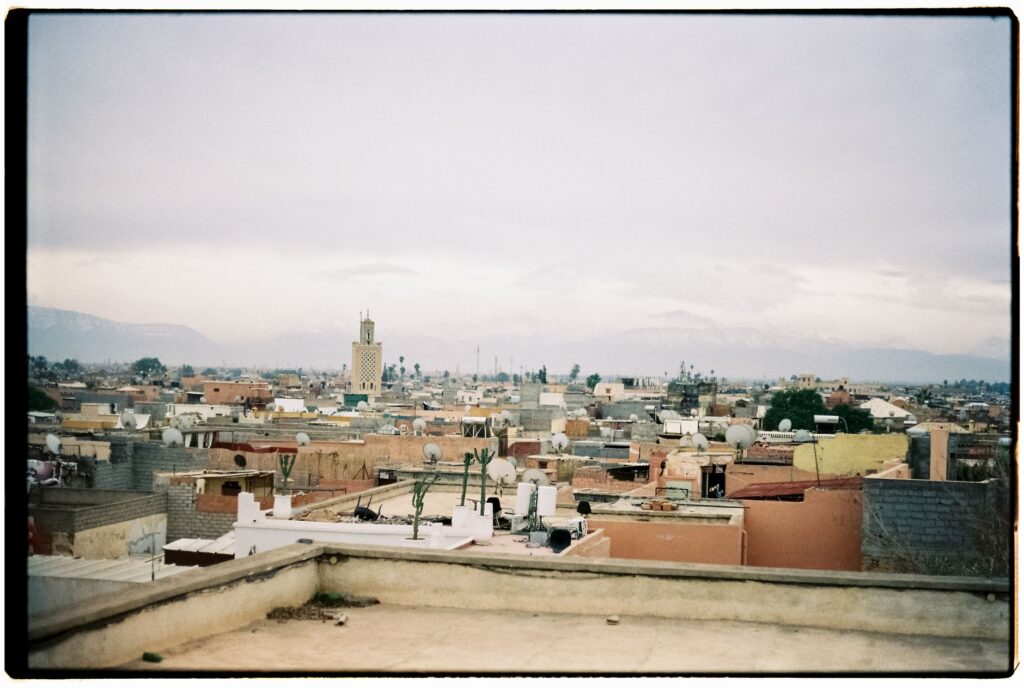
Climb up to the second floor to peek into the student cells—they’re absolutely tiny, making you appreciate what dedication those students must have had. The rooftop offers lovely views over the medina’s sea of terracotta roofs and satellite dishes.
9. Chase Sunset in Agafay Desert
We couldn’t leave Morocco without a desert experience, and the Agafay Desert delivered without requiring the long drive to the Sahara. This rocky desert landscape sits just 40 minutes outside Marrakech and looks like another planet—rolling stone dunes and barren hills with the snow-capped Atlas Mountains as a backdrop. We booked a sunset experience that included a camel ride, traditional Berber tea in a nomad tent, and dinner under the stars.
The camel ride lasted about 30 minutes through the golden-hour landscape, and while camels aren’t the most comfortable transport, watching the sun sink behind the Atlas peaks made every bumpy step worth it. Our outfitter treated the animals well and limited ride times, which mattered to us.
10. Day Trip to the Atlas Mountains
The High Atlas Mountains are right there from Marrakech, making them one of the best day trip options and honestly one of the top things to do in Marrakech if you need a break from city chaos. We hired a driver for the day and headed to Imlil, a Berber village that serves as the jumping-off point for Mount Toubkal, North Africa’s highest peak. Even if you’re not climbing Toubkal, the valley is gorgeous—terraced walnut groves, rushing rivers, and traditional stone villages clinging to mountainsides.
We did a moderate three-hour hike to a waterfall, had lunch at a family-run guesthouse with tagine and fresh yogurt, then visited a women’s argan oil cooperative on the drive back. The whole day cost about 600 dirhams for the private driver, plus lunch and tips.
11. Discover the Saadian Tombs
These royal tombs from the 16th century were sealed up and forgotten for centuries until they were rediscovered in 1917. The Saadian Tombs hold the remains of about 60 members of the Saadian dynasty, housed in two ornate mausoleums surrounded by a garden. The craftsmanship is stunning—especially the Chamber of the Twelve Columns with its honeycomb muqarnas ceiling and Italian Carrara marble columns.
The site is small and you can see everything in about 30 minutes, but there’s often a queue to enter since they limit the number of people inside at once. We visited right at opening time and walked straight in. It’s located near the Kasbah area, so we paired it with exploring that neighborhood and grabbing lunch nearby.
12. Sip Mint Tea on a Rooftop
One of our simplest but most memorable pleasures in Marrakech was posting up on a rooftop terrace with a pot of Moroccan mint tea and watching the city unfold below. The best rooftops offer views of the Koutoubia Mosque minaret—Marrakech’s most recognizable landmark—rising above the medina, with the Atlas Mountains in the distance on clear days. We found our favorite spot on a quiet rooftop near Bahia Palace, where we’d escape the midday heat with sweet tea and almond cookies.
Make this a daily ritual. Whether it’s sunrise with coffee, afternoon tea, or sunset drinks, taking time to sit above the chaos and just breathe is essential to the Marrakech experience. Most cafés don’t charge much—maybe 20 to 30 dirhams for tea—and you can linger as long as you want.
Where to Eat
Marrakech’s food scene ranges from incredible street eats to refined Moroccan fine dining. For breakfast, we loved Café des Épices in the souks for fresh orange juice, msemen, and people-watching from the terrace. Nomad, just up the street, serves modern Moroccan dishes like lamb tangia and roasted cauliflower with tahini in a gorgeous three-story space with rooftop views.
For traditional hole-in-the-wall authentic eats, Hadj Mustapha on Rue Bab Doukkala serves the best harira soup and brochettes we had in Morocco—locals pack the place at lunch and it costs almost nothing. Le Jardin offers a lovely garden courtyard setting and solid tagines in the medina. And for a splurge-worthy dinner, we loved the tasting menu at Dar Yacout, a candlelit riad where every course felt like an event.
Don’t skip street food. The grilled kebabs and sardines at Jemaa el-Fnaa, fresh dates from any souk vendor, and the tiny bakeries selling sfenj doughnuts for breakfast—these cheap, casual experiences were some of our best meals.
Where to Stay
Staying in a traditional riad inside the medina is the quintessential Marrakech experience, and we wouldn’t do it any other way. Riads are old merchant houses built around interior courtyards, converted into intimate guesthouses. We stayed in the Mouassine neighborhood at a small riad with just five rooms, a rooftop terrace for breakfast, and hosts who felt like family by the end of our stay. The medina can be loud—expect to hear the call to prayer five times daily starting before sunrise—but that’s all part of the immersion.
For a more upscale experience, the northern medina near Ben Youssef has many beautifully restored riads with plunge pools and spa services, though you’ll pay significantly more. If you prefer modern hotels with pools and resort amenities, the Hivernage and Gueliz neighborhoods outside the medina walls offer international chains and boutique hotels, though you’ll lose that authentic old-city atmosphere.
Book accommodations well in advance if traveling in spring or fall. The best riads fill up months ahead, especially the smaller family-run places with personality.
How to Get There
Marrakech Menara Airport sits just a 15-minute drive from the medina and receives direct flights from across Europe, the Middle East, and some North American cities. We flew in from London on a quick three-hour flight. From the airport, official taxis to the medina cost a fixed 100 dirhams during the day or 120 dirhams at night—insist on the meter or agree on the price before getting in. Many riads also offer airport pickup for around 150 to 200 dirhams, which is worth it since navigating to your accommodation in the medina maze can be tricky with luggage.
If you’re traveling overland within Morocco, the train from Casablanca or Rabat takes about three hours and costs around 100 dirhams. Supratours and CTM buses connect Marrakech to most major cities including Fes, Essaouira, and even Merzouga for the Sahara, though journeys can be long. We found trains more comfortable when available.
Once in Marrakech, the medina is best explored on foot. Taxis are cheap and plentiful for getting between the medina and Gueliz or other outer neighborhoods—short rides rarely cost more than 20 to 30 dirhams.
Costs
Marrakech can be incredibly affordable or surprisingly expensive depending on your choices. Here’s what we spent on average as mid-range travelers:
| Item | Cost (USD) |
|---|---|
| Budget riad (per night) | 40-70 |
| Mid-range riad (per night) | 80-150 |
| Street food meal | 2-5 |
| Restaurant meal | 10-20 |
| Mint tea at café | 1-2 |
| Palace/museum entry | 5-7 |
| Cooking class | 40-60 |
| Day trip to Atlas Mountains | 60-80 |
| Hammam (public) | 15-20 |
We found we could eat and sightsee well on about 50 dollars per person per day, not including accommodation. Splurging on a nice dinner or a desert tour obviously bumps that up, but overall Morocco offers excellent value compared to European destinations.
Best Time to Visit
We visited Marrakech in March and found the weather absolutely perfect—warm sunny days around 23 degrees Celsius, cool evenings, and the surrounding mountains still snow-capped. Spring from March to May and fall from September to November are ideal times for visiting. The temperatures are comfortable for walking the medina all day, and the light is beautiful for photography.
Summer from June to August gets brutally hot—regularly hitting 38 degrees Celsius or higher—though many travelers accept the heat for lower accommodation prices and fewer crowds. If you visit in summer, plan activities for early morning and evening, and embrace the midday siesta culture. Winter from December to February can be surprisingly cold, especially at night, but it’s still pleasant during the day and you’ll have major sites nearly to yourself.
Ramadan is a special time to visit if you’re respectful of the fasting customs. Many restaurants close during daylight hours, but the evening iftar meals and nighttime energy in Jemaa el-Fnaa are magical.
FAQ
Is Marrakech safe for tourists?
Yes, Marrakech is generally very safe for tourists. We felt comfortable walking the medina during the day and early evening, even in quieter areas. Petty theft like pickpocketing can happen in crowded areas like Jemaa el-Fnaa, so keep valuables secure and stay aware of your surroundings. As solo female travelers, we dressed modestly—covering shoulders and knees—which helped us feel more comfortable and respected. The biggest annoyance is aggressive touts and fake guides, but a firm “no thank you” usually works.
How many days do you need in Marrakech?
We’d recommend at least three full days to cover the main things to do in Marrakech without rushing. That gives you time to explore the medina and souks properly, visit the major palaces and gardens, experience a hammam, and take a day trip to either the Agafay Desert or Atlas Mountains. We stayed ten days and still found new corners to explore and experiences to enjoy, so a week would be even better if you have the time and want to really soak in the rhythm of the city.
What should I wear in Marrakech?
Morocco is a conservative Muslim country, and dressing modestly shows respect and helps you blend in better. We wore loose pants or long skirts and tops that covered our shoulders and upper arms. Men should avoid shorts in the medina and religious sites, opting for long pants instead. That said, Marrakech is quite used to tourists and you’ll see a range of outfits, especially in touristy areas and the Gueliz neighborhood. Comfortable walking shoes are essential—you’ll be covering miles on uneven cobblestones. Bring layers since temperatures can swing dramatically from day to night.
Do I need a guide to explore Marrakech?
No, you definitely don’t need a guide for most of Marrakech. We explored the medina, souks, and all the major sites independently without any problems. That said, a good local guide can add context and help you discover hidden spots you’d otherwise miss. We hired a guide for one morning in the medina and learned so much about the architecture, history, and local life. If you do want a guide, book through your riad or a reputable company in advance—avoid the unofficial guides who approach you on the street, as they’re often unlicensed and the experience can be pushy.
Can you drink alcohol in Marrakech?
Yes, though Morocco is a Muslim country where most locals don’t drink. Licensed restaurants, hotels, and some bars in Gueliz and Hivernage serve alcohol, including Moroccan wines and beer. You won’t find alcohol in the medina’s local restaurants or at street stalls. Prices are higher than in Western countries due to taxes. We enjoyed Moroccan wine with dinner a few times—the grey wines from around Meknes were surprisingly good. Just be respectful and avoid public drunkenness, which is culturally inappropriate and can cause problems.
What language is spoken in Marrakech?
The main languages are Moroccan Arabic (Darija) and Tamazight (Berber). French is widely spoken as a second language, especially in tourism. We got by with basic French and English—most people working in tourism speak at least some English, though learning a few Arabic phrases like “shukran” for thank you and “salam alaikum” for hello goes a long way in connecting with locals. In the souks, vendors often speak multiple languages including Spanish, Italian, and even Japanese to better sell to tourists.
Our Travel Resources
When we plan trips to places like Marrakech, we rely on a few key resources that make travel smoother. For flights, we search broadly and book directly with airlines when possible. For accommodations, we read recent reviews carefully and book direct with riads when they have their own websites, which sometimes offers better rates than big booking platforms.
Travel insurance is non-negotiable for us, especially for destinations where medical care might be expensive or evacuation complicated. We make sure our policy covers medical emergencies, trip cancellation, and lost belongings. For getting around, we use offline maps downloaded before arrival, which saves data and works without internet in the medina maze. A good guidebook or saved articles also help when you want to disconnect from screens but still access information.
Learning basic local phrases, carrying cash in small bills, and downloading a currency converter app all made our Marrakech experience smoother. Most importantly, we try to build buffer days into itineraries so we can slow down when we discover something special rather than rushing through a checklist.
 Uncategorized15 Best Beach Essentials for Travelers in 2025 (Tested Guide)After years of chasing coastlines from Portugal to Thailand, we've learned exactly which beach essentials are…
 UncategorizedSun Poisoning Symptoms: What Every Traveler Should Know (2025 Guide)After years of chasing sun-soaked destinations, we've seen firsthand how quickly a perfect beach day can…
 UncategorizedSingles Vacations: The Solo Traveler’s Guide (2026 Best Trips)Singles vacations aren't just about traveling alone—they're about the freedom to explore on your terms while…
Some links in this article are affiliate links — we only recommend things we would use ourselves, at no extra cost to you.