
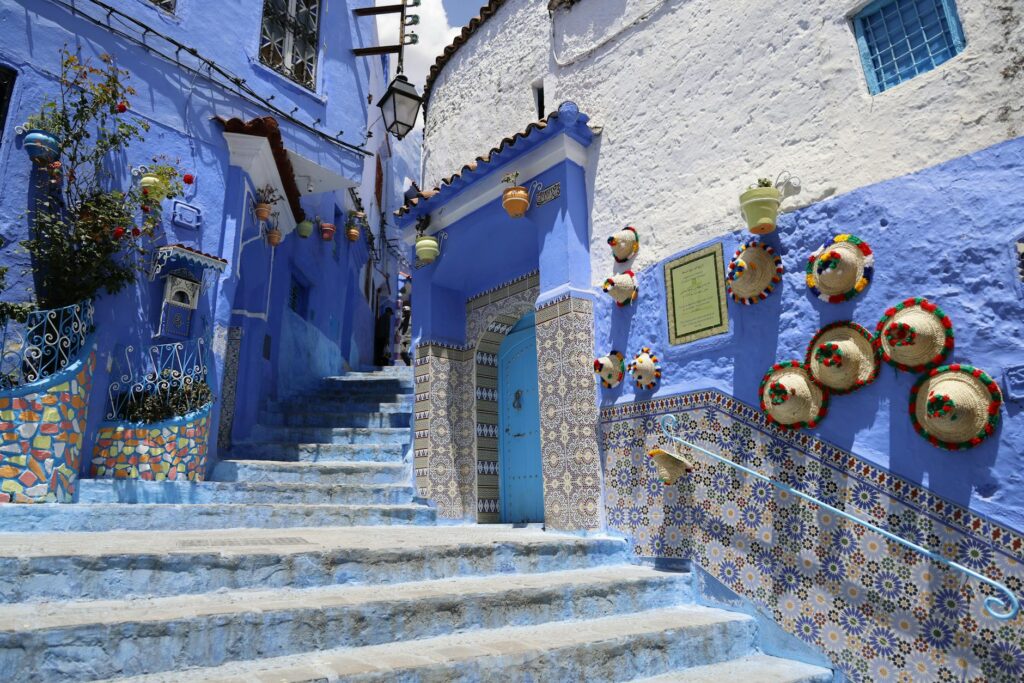
Tucked into the Rif Mountains of northern Morocco, Chefchaouen is a dreamscape of blue-washed walls that seems almost too beautiful to be real. Known affectionately as the Blue Pearl, this small mountain town has captured the hearts of travelers seeking something more intimate than the bustling medinas of Marrakech or Fes. Walking through its narrow alleyways feels like stepping into a living watercolor painting, where every shade of blue imaginable cascades down ancient stone walls.
But Chefchaouen is far more than just a pretty backdrop for your Instagram feed. Beyond those famous blue walls lies a town with genuine soul—a place where locals still gather in traditional squares, where the call to prayer echoes through misty mountain mornings, and where the pace of life invites you to slow down and simply be present. Whether you’re here for a quick overnight stop or a longer mountain retreat, this guide covers everything you need to know about the best things to do in Chefchaouen Morocco.
Wander the Blue-Washed Medina
The medina is undoubtedly Chefchaouen’s main attraction, and for good reason. Unlike the overwhelming medinas of larger Moroccan cities, this one is refreshingly compact and easy to navigate. You can explore its entirety in a few hours, though you’ll want to return multiple times as the light changes throughout the day. The blue walls look completely different under the harsh midday sun compared to the soft golden hour glow of late afternoon.
Start your exploration at Plaza Uta el-Hammam, the main square anchored by the 15th-century kasbah and the Grand Mosque with its distinctive octagonal minaret. From here, lose yourself in the labyrinthine streets, each turn revealing another photogenic corner. The best photography spots include Rue Targui with its vibrant potted plants against blue walls, and the area around Ras el-Maa where local women gather to wash clothes in the natural spring. Don’t miss the small workshops where artisans craft traditional wool blankets and leather goods—prices here are notably more reasonable than in tourist-heavy Marrakech.
Hike to the Spanish Mosque for Sunset
For the best panoramic views of Chefchaouen, make the 30-minute uphill trek to the Spanish Mosque, an unfinished structure built by Spanish colonizers in the 1920s. The hike begins at the Ras el-Maa waterfall area and follows a well-worn dirt path through olive groves and rocky terrain. Wear proper shoes—the path gets slippery, especially after rain—and bring water, particularly in summer months when temperatures can soar.
Arriving about an hour before sunset gives you time to catch your breath and find a good spot among the other travelers who gather here nightly. Watching the blue town transform as the sun dips behind the mountains, painting everything in shades of pink and orange, is genuinely magical. The walk back down in fading light requires caution, so bring a phone flashlight or headlamp. Alternatively, morning visits offer solitude and beautiful soft light without the crowds.
Visit the Kasbah and Ethnographic Museum
The kasbah in Plaza Uta el-Hammam houses a small but worthwhile ethnographic museum that provides context for the region’s rich Berber and Andalusian heritage. Entry costs just 70 dirhams (about $7 USD), and the peaceful gardens alone are worth the visit. Climb the tower for elevated views over the medina rooftops and the surrounding mountains—it’s particularly stunning in the morning when mist often settles in the valleys below.
The museum displays traditional clothing, musical instruments, weapons, and household items that tell the story of life in the Rif Mountains. Allow about an hour for a thorough visit. One honest downside: the museum could use better curation and English signage, so you may find yourself wanting more context than what’s provided. Still, it offers a welcome respite from the midday heat and a chance to understand the culture beyond the blue paint.
Day Trip to Akchour Waterfalls and God’s Bridge
If you have an extra day in Chefchaouen, the Akchour waterfalls make for an unforgettable excursion into Talassemtane National Park. Located about 30 kilometers from town, the journey itself winds through stunning mountain scenery. You can hire a grand taxi from the town center for around 300-400 dirhams round trip, or join an organized tour that handles transportation and guides.
Two main trails lead to different natural wonders: a shorter 45-minute hike to the dramatic natural rock formation called God’s Bridge, or a longer 90-minute trek to the main waterfalls where you can swim in crystal-clear pools. The trails are relatively easy but involve some river crossings and rocky sections. Pack a picnic lunch, plenty of water, and swimwear if visiting during warmer months. The pools beneath the falls offer refreshing relief after the hike, and the whole experience feels wonderfully off the beaten path compared to Chefchaouen’s increasingly touristy medina.
Where to Stay in Chefchaouen
Accommodation in Chefchaouen ranges from budget hostels to beautifully restored traditional riads. For the most atmospheric experience, choose a riad within the medina walls—waking up to mountain views from a rooftop terrace with mint tea in hand is quintessential Chefchaouen. Lina Ryad & Spa offers a perfect blend of traditional charm and modern comfort, with a hammam and stunning terrace views. For budget travelers, Dar Antonio and Casa Perleta provide excellent value with authentic character.
Book accommodation well in advance if visiting during peak season (April-May and September-October), as the best riads fill up quickly. One practical consideration: most medina accommodations require walking up steep, narrow streets with luggage—something to keep in mind if you’re traveling with heavy bags or mobility concerns. Many riads offer luggage transfer services from taxi drop-off points for a small fee.
Getting to Chefchaouen
Chefchaouen doesn’t have its own airport, so most travelers fly into Tangier (approximately 2 hours by car) or Fes (about 4 hours). From Tangier Ibn Battouta Airport, you can arrange a private transfer, hire a grand taxi, or take a CTM bus from Tangier city center. The bus costs around 75 dirhams and offers comfortable, air-conditioned travel with beautiful mountain scenery along the way.
From Fes, CTM and Supratours buses run several times daily, taking approximately four hours through winding mountain roads. If prone to motion sickness, take medication beforehand—the road is genuinely curvy. Alternatively, shared grand taxis depart when full from both cities and offer faster but less comfortable transport. For maximum flexibility, consider renting a car, which allows you to explore the surrounding Rif Mountains at your own pace and easily access attractions like Akchour.
Making the Most of Your Visit
Chefchaouen rewards those who stay longer than the typical one-night visit that many travelers squeeze into packed Morocco itineraries. Two to three nights allows time to experience the town’s different moods—the quiet early mornings before day-trippers arrive, the lively late afternoons in the plaza, and the peaceful evenings when the medina belongs to locals once again. The Blue Pearl may be small, but its beauty runs deep, and the memories you make wandering those legendary blue streets will stay with you long after you’ve returned home.
 Destinations12 Best Places to Travel Solo Female in US: 2025 GuideAfter years of solo travel across the country, we've found the US destinations where women traveling…
 DestinationsBest Beaches in Morocco: A Sun-Seeker’s Guide to Stunning Coastal EscapesDiscover Morocco's stunning coastline from dramatic Legzira arches to surf-perfect Taghazout. Your guide to the best…
 DestinationsComplete Algarve Portugal Travel Guide: Beaches, Villages & Hidden GemsDiscover the best of Portugal's Algarve region with our complete travel guide covering beaches, towns, food,…
Some links in this article are affiliate links — we only recommend things we would use ourselves, at no extra cost to you.