
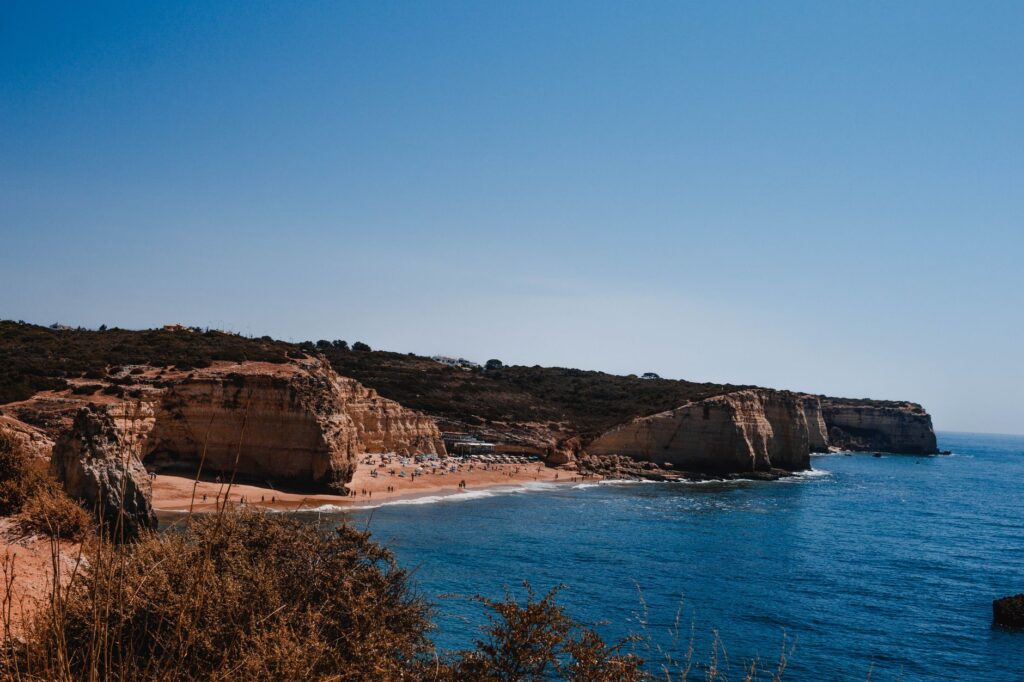
There’s something almost magical about the moment you first glimpse the Algarve coastline – those dramatic ochre cliffs tumbling into impossibly turquoise waters, the scent of grilled sardines drifting from a beachside restaurant, and the gentle warmth of the Portuguese sun on your skin. This southern strip of Portugal has been welcoming sun-seekers for decades, yet it still manages to surprise even the most seasoned travelers with its blend of natural beauty, rich culture, and genuine hospitality.
Whether you’re dreaming of lazy days on golden beaches, exploring ancient Moorish towns, or savoring some of Europe’s freshest seafood, the Algarve delivers on every front. We’ve spent countless weeks exploring this stunning region, from the tourist hotspots to the quiet fishing villages that time seems to have forgotten. This complete guide shares everything you need to know to plan your perfect Algarve adventure, with honest insights and practical tips we wish we’d known before our first visit.
Best Time to Visit the Algarve
The Algarve enjoys over 300 days of sunshine annually, making it a year-round destination with distinct seasonal personalities. Summer (June to August) brings hot temperatures averaging 28-30°C, perfect beach weather, and a vibrant atmosphere – though expect larger crowds and higher prices, particularly in August when Portuguese families take their holidays.
For our money, the sweet spot is late April through June or September through October. During these shoulder seasons, you’ll find warm swimming temperatures, significantly fewer tourists, and accommodation prices that can be 30-40% lower than peak summer. Spring brings wildflowers blanketing the countryside, while autumn offers the bonus of grape and fig harvests. Winter is mild (15-17°C) and ideal for golf, hiking, and exploring without the crowds, though some beach facilities and smaller restaurants close seasonally.
Top Destinations and Beaches in the Algarve
The Algarve stretches approximately 150 kilometers along Portugal’s southern coast, and the landscapes vary dramatically from west to east. The western Algarve, centered around Lagos and Sagres, features the most dramatic cliff formations and world-famous beaches like Praia da Marinha (consistently ranked among Europe’s best) and the photogenic Praia do Camilo with its wooden staircase descent.
Lagos itself is our favorite base – a perfect blend of historic charm, excellent restaurants, and easy beach access. The old town’s cobblestone streets are wonderful for evening strolls, and the nearby grottos are best explored by kayak or small boat tour. For a different vibe, head to Tavira in the eastern Algarve, where the pace slows considerably. This elegant town straddles the Gilão River and serves as a gateway to the sandbar islands of Ria Formosa Natural Park, where you’ll find pristine, less-crowded beaches.
Don’t miss Silves, the ancient Moorish capital, where a magnificent red sandstone castle overlooks orange groves. It’s an essential inland excursion that reveals the Algarve’s fascinating history beyond the beaches. For surfing, the wild Atlantic-facing beaches near Sagres and the Costa Vicentina offer consistent waves and a more rugged, untamed atmosphere.
Where to Stay in the Algarve
Accommodation in the Algarve ranges from budget-friendly guesthouses to world-class luxury resorts, with options to suit every travel style. For first-time visitors wanting a central location with character, Lagos offers excellent value with numerous boutique hotels and vacation rentals within walking distance of both beaches and nightlife.
Families often prefer the Albufeira area for its wide range of all-inclusive resorts and child-friendly beaches, though we’d suggest staying in the old town rather than the newer strip developments for more authentic Portuguese flavor. Couples seeking romance should consider the clifftop hotels near Carvoeiro or the peaceful eastern Algarve around Tavira. For luxury, the area between Quinta do Lago and Vale do Lobo is home to prestigious golf resorts and five-star properties.
One honest word of caution: the Algarve has seen significant tourist development, particularly around Albufeira and Vilamoura. Some coastal areas feel quite built-up and can lack authentic Portuguese character, especially during peak season. We recommend researching specific neighborhoods and reading recent reviews to ensure your accommodation matches your expectations for atmosphere.
Getting to and Around the Algarve
Faro Airport (FAO) is the main gateway to the Algarve, with direct flights from most major European cities and seasonal connections from further afield. Flight times from London are just under three hours, making the Algarve an accessible escape from northern Europe.
Once you arrive, renting a car offers the most flexibility for exploring the region’s diverse landscapes. The main EN125 highway runs east-west through the Algarve, with the faster A22 toll road providing quicker connections. Car rental is reasonably priced, especially when booked in advance, and allows access to hidden beaches and inland villages that public transport doesn’t reach.
That said, if you’re planning a beach-focused trip based in one town, the Algarve’s bus network (Eva and Frota Azul) connects most coastal towns reliably, and taxis and Uber are available in larger areas. The regional train line links Lagos to Vila Real de Santo António via Faro, offering a scenic and economical way to travel between major towns.
Food, Culture, and Practical Tips
Portuguese cuisine in the Algarve is a seafood lover’s paradise. Don’t leave without trying cataplana (a copper-pot seafood stew), grilled sardines (especially during June’s Santo António festivals), and arroz de marisco (seafood rice). For the best quality and prices, seek out restaurants away from main tourist areas where locals actually dine – look for places with Portuguese menus and daily specials chalked on boards.
The Algarve is excellent value compared to many Western European destinations. A meal at a local tasca (tavern) costs €10-15 per person with wine, while beach club lunches might run €25-40. Budget approximately €100-150 daily for a comfortable mid-range trip including accommodation, meals, and activities.
Portuguese people are genuinely welcoming, and while English is widely spoken in tourist areas, learning a few Portuguese phrases goes a long way. The Algarve is very safe for travelers, with petty theft being the only real concern – use common sense with valuables on beaches and in parked cars. One practical downside: driving can be challenging in summer when narrow coastal roads become congested, and parking near popular beaches often requires arriving before 10 AM or paying premium rates.
Plan Your Perfect Algarve Escape
The Algarve has earned its reputation as one of Europe’s most beloved sunny destinations, offering that rare combination of stunning natural beauty, rich culture, delicious food, and genuine warmth. From the dramatic cliffs of Lagos to the tranquil waterways of Tavira, this Portuguese paradise rewards every type of traveler willing to explore beyond the obvious.
Whether you have a long weekend or several weeks, the Algarve will leave you planning your return before you’ve even left. Start with one region, immerse yourself in the local rhythm, and let the Portuguese sunshine work its magic. We’ll see you on the beach.
 Destinations12 Best Places to Travel Solo Female in US: 2025 GuideAfter years of solo travel across the country, we've found the US destinations where women traveling…
 DestinationsBest Beaches in Morocco: A Sun-Seeker’s Guide to Stunning Coastal EscapesDiscover Morocco's stunning coastline from dramatic Legzira arches to surf-perfect Taghazout. Your guide to the best…
 DestinationsGreek Island Hopping 10-Day Route: The Ultimate Aegean AdventureDiscover the perfect 10-day Greek island hopping route through Naxos, Paros, Milos, and Santorini with practical…
Some links in this article are affiliate links — we only recommend things we would use ourselves, at no extra cost to you.