
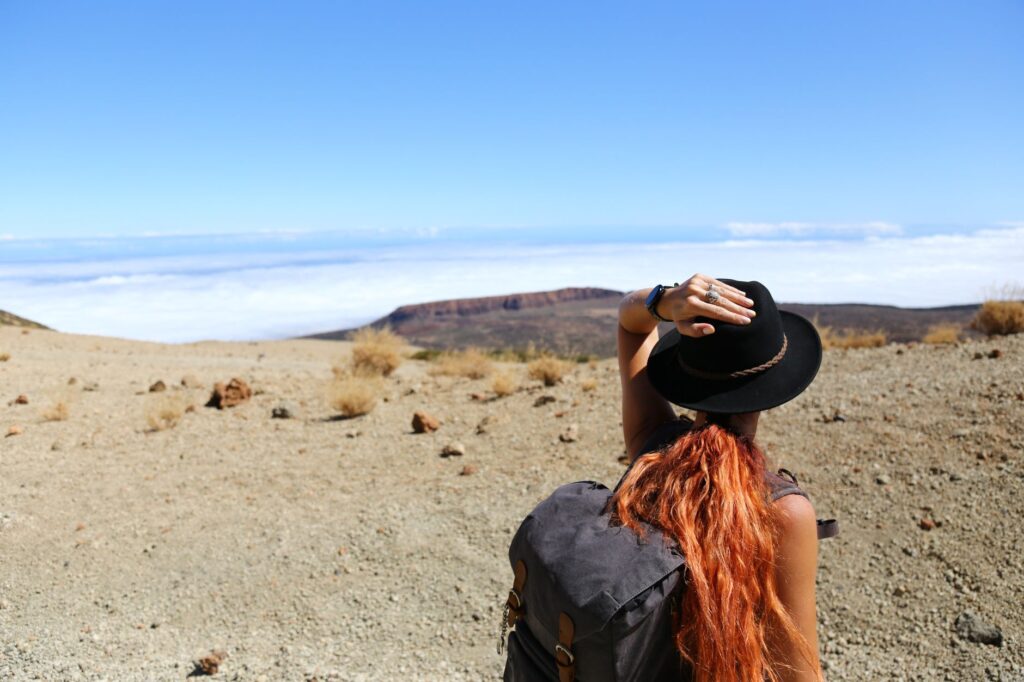
Planning solo trips for women can feel equal parts exhilarating and terrifying, especially if it’s your first time traveling alone. We get it—we’ve been there, standing in an airport with a one-way ticket, wondering what we’d gotten ourselves into. But here’s what we learned: solo travel became some of the most transformative, confidence-building, joyful experiences of our lives.
This guide walks you through everything we wish we’d known before our first solo trip, from choosing destinations that feel safe and welcoming to practical tips that made our journeys smoother. Whether you’re planning your first solo adventure or your fiftieth, we’re here to help you feel prepared and excited.
Table of Contents
Why Solo Travel Is Worth It (Even If You’re Nervous)
We’re not going to pretend solo travel is always sunshine and confidence. Our first solo trips came with sweaty palms, second-guessing every decision, and at least one tearful phone call home. But once we got past those first uncomfortable days, something shifted.
Traveling alone taught us to trust our instincts in ways group travel never did. When you’re the only one making decisions—where to eat, which street to wander down, whether to join that cooking class—you start listening to yourself differently. We became better at reading situations, more comfortable asking for help, and surprisingly good at entertaining ourselves.
The freedom matters too. Want to spend three hours in a museum everyone else would find boring? Go for it. Feel like skipping the famous landmark to sit in a cafe and people-watch? No explanations needed. Solo travel lets you be exactly as adventurous or low-key as you feel in any given moment.
Best Destinations for First-Time Solo Female Travelers
Iceland
Iceland remains hands-down the easiest country we’ve visited solo. The crime rate is incredibly low, everyone speaks perfect English, and the infrastructure makes everything straightforward. We felt comfortable driving alone across the entire island, staying in remote guesthouses, and hiking solo.
Reykjavik works beautifully as a base—it’s walkable, friendly, and full of other solo travelers. The classic Golden Circle route gave us confidence with easy-to-navigate stops, and we loved ending days in natural hot springs where striking up conversations felt natural.
Portugal
Portugal surprised us with how welcoming it felt for women traveling alone. Lisbon and Porto both have that perfect combination of safety, culture, and affordability. We walked everywhere in Lisbon’s Alfama neighborhood at all hours and always felt comfortable.
The Portuguese people were genuinely kind without being pushy, and the food scene meant we never felt awkward eating alone. Sitting at the counter at a tasca with a plate of bacalhau and a glass of vinho verde became one of our favorite solo rituals.
Japan
Japan might seem intimidating with the language barrier, but it’s actually one of the safest and most respectful countries we’ve experienced for solo female travel. Japanese culture values personal space and privacy, which means you’re left alone in the best way—no catcalling, no unwanted attention.
Tokyo and Kyoto both have incredible infrastructure. Trains run exactly on time, convenience stores stock everything you might need, and we used Google Translate for the rare moments we needed help. Solo dining is completely normal in Japan—there are even restaurants designed for it.
New Zealand
New Zealand delivers if you’re craving nature and adventure on your solo trip. We felt utterly safe traveling both the North and South Islands alone, whether staying in cities or camping in national parks. Kiwis are famously friendly, and the backpacker infrastructure means you’re never far from other travelers if you want company.
Queenstown and Wellington became fast favorites. The hiking is world-class, and we loved that we could go from adrenaline activities to quiet wine regions in the same day, all at our own pace.
Scotland
Scotland gave us all the moody landscapes and cozy pubs we wanted without any safety concerns. Edinburgh’s Old Town is perfect for solo wandering, and we took the train to the Highlands alone without a second thought. Scottish hospitality is real—pub owners chatted with us, hikers on trails looked out for each other, and we never felt isolated.
The whisky distillery tours in Speyside were surprisingly social, and staying in small B&Bs meant lovely conversations over breakfast with other guests and hosts.
Safety Tips That Actually Matter
We’ve read every safety article for solo female travelers, and honestly, some advice feels either paranoid or useless. After years of traveling alone, here’s what actually kept us safe and feeling confident.
Trust your gut always. If a situation, person, or place feels off, leave. We’ve walked out of taxis, changed hostel rooms, and skipped entire neighborhoods based purely on instinct, and we’ve never once regretted it. Your intuition is your best safety tool.
Share your location with someone back home. We use our phone’s built-in sharing feature so a friend or family member can always see where we are. It takes two minutes to set up and provides massive peace of mind for everyone.
Look confident even when you’re lost. We’ve practiced our “I know exactly where I’m going” walk in dozens of cities. Looking at your phone constantly or appearing confused can make you a target. If you need to check maps, duck into a cafe or shop.
Book your first night’s accommodation before you arrive. Landing in a new place and knowing exactly where you’re sleeping removes so much stress. You can always change hotels later once you get your bearings.
How to Meet People Without Trying Too Hard
One fear we hear constantly is “Won’t I be lonely?” And yes, sometimes you will be—but that’s different from being alone. We’ve had incredible solo trips where we spent days without meaningful conversation, and we’ve had others where we made lifelong friends.
Stay in social accommodation if you want company. Hostels aren’t just for twenty-year-olds—we’ve stayed in beautiful boutique hostels in our thirties and forties. Common areas, group dinners, and organized activities make meeting people effortless. Guesthouses with communal breakfast tables work similarly.
Join walking tours, cooking classes, or day trips. These structured activities give you natural conversation starters and shared experiences. We’ve met amazing people on free walking tours who we ended up having dinner with that same evening.
Say yes more than feels comfortable. When someone invites you to join their table, go to a local concert, or explore a neighborhood together, push past the introvert resistance and say yes. Some of our best travel memories came from unexpected invitations.
Eating Alone (And Actually Enjoying It)
Solo dining intimidated us for years, but now we actively look forward to it. The secret is choosing the right spots and bringing the right attitude.
Sit at the bar whenever possible. Restaurant bars are designed for solo diners—you can watch the kitchen or bartenders work, chat if you feel like it, or simply enjoy your meal. We’ve had incredible conversations with chefs, bartenders, and fellow solo diners this way.
Lunch is easier than dinner. If dinner feels too intimidating at first, go out for lunch instead. Lunch restaurants are brighter, more casual, and filled with people eating alone for work. We built our confidence at lunch before tackling dinner solo.
Bring something to do, but don’t hide behind it. We usually bring a book or journal, but we’ve learned to spend some meals just observing—watching the street life, people-watching, or savoring the food. Some of our most memorable meals have been silent ones where we were fully present.
What to Pack for Solo Trips
Packing for solo travel is different than packing with companions because you can’t split things or borrow forgotten items. We’ve refined our solo packing list down to essentials that genuinely matter.
Pack lighter than you think you need. When you’re alone, you’re carrying everything yourself through train stations, up hostel stairs, and across cobblestones. We stick to a carry-on sized bag even for month-long trips. Less stuff means more mobility and freedom.
Bring a portable charger and universal adapter. Your phone is your map, translator, camera, and connection home. Keeping it charged is non-negotiable. We carry a high-capacity portable charger and never worry about finding outlets.
Include a door wedge or portable door lock. This tiny item gives us huge peace of mind in questionable accommodation. It’s a simple backup security measure that weighs nothing.
Pack one slightly nicer outfit. We usually live in comfortable walking clothes, but having one outfit that makes us feel put-together has been wonderful for nicer dinners or moments when we need a confidence boost.
Choosing the Right Accommodation
Where you stay matters enormously when you’re traveling solo. The right accommodation can make you feel safe, help you meet people, and become a genuine highlight of your trip.
Read reviews from other solo female travelers. We specifically look for reviews mentioning safety, location, and whether the place felt welcoming for women alone. Booking platforms let you filter reviews this way, and it’s time well spent.
Choose location over luxury. We’d rather pay more to stay in a central, walkable neighborhood than save money staying somewhere that requires late-night transportation. Being able to walk home from dinner makes a massive difference in how free we feel to explore.
Consider female-only dorms in hostels. If you’re staying in hostels and want the social atmosphere without worrying about sharing space with men you don’t know, female-only dorms offer a nice middle ground. We’ve had lovely experiences in these spaces.
Boutique hotels with breakfast included have been surprisingly social. We’ve met other travelers over breakfast buffets and gotten amazing local recommendations from hotel staff who have time to chat.
When Loneliness Hits
Let’s be honest: sometimes solo travel is lonely. We’ve had moments sitting alone in beautiful places feeling utterly isolated, and that’s okay. It doesn’t mean you’ve failed at solo travel.
Schedule regular check-ins with people back home. A quick video call with a friend can completely shift your mood. We usually have a standing time to call someone, which gives us something to look forward to during harder moments.
Distinguish between loneliness and being alone. Some of our loneliest moments have been in crowds, and some of our most content moments have been utterly alone. Learning the difference helped us figure out what we actually needed—sometimes it was human connection, sometimes it was just dinner and an early night.
Give yourself permission to have off days. Not every day of solo travel needs to be an adventure. We’ve had entire days where we stayed in, watched movies, and ordered room service, and those rest days often recharged us for better experiences later.
Where to Eat
Food became one of our favorite parts of solo travel once we got comfortable with it. Here’s what worked for us across different destinations.
Markets and food halls are perfect for solo travelers. You can sample different foods without committing to a full restaurant meal, and the casual atmosphere means nobody notices or cares that you’re alone. We loved Mercado da Ribeira in Lisbon, Borough Market in London, and any Japanese depachika.
Counter seating at ramen shops, sushi bars, and tapas counters designed our favorite solo dining experiences. These places expect solo diners, and watching chefs work while you eat is genuinely entertaining.
Hotel and hostel restaurants surprised us with how social they can be. Other travelers eating solo often share tables or strike up conversations naturally. Plus, you can go straight to your room afterward if you’re tired.
Skip the fancy restaurants unless you genuinely want to go. We gave ourselves permission to have picnic dinners from grocery stores, eat street food for every meal, or return to the same casual spot three nights in a row if we loved it. Solo travel means no judgment.
Where to Stay
Choosing accommodation for solo trips requires balancing safety, budget, and the kind of experience you want. We’ve stayed in everything from hostels to luxury hotels while traveling alone, and each serves different purposes.
Boutique hostels with private rooms give you the best of both worlds. You get your own space and bathroom but can be social when you want. Look for hostels with good common areas, organized activities, and strong reviews from solo travelers. We loved places that offered group dinners or walking tours.
Mid-range hotels in central locations became our go-to for longer stays. We prioritized walkable neighborhoods over hotel amenities. A simple, clean room in a safe area within walking distance of restaurants and attractions beat a fancy hotel in an isolated location every time.
Guesthouses and small B&Bs offered wonderful experiences when we wanted more personal interaction. Hosts often gave us better recommendations than any guidebook and sometimes became genuine friends. The breakfast conversations with other guests created natural social opportunities without pressure.
When booking, verify the exact location on a map and read multiple reviews specifically mentioning solo female travelers and safety. We learned to look beyond star ratings to read what actual guests experienced.
Costs
Solo travel often costs more per person than traveling with others since you can’t split accommodation or transportation, but it’s still absolutely doable on various budgets.
| Expense | Budget | Mid-Range | Luxury |
|---|---|---|---|
| Accommodation per night | 20-40 | 60-120 | 150+ |
| Meals per day | 15-25 | 35-60 | 80+ |
| Activities and attractions | 10-20 | 30-50 | 70+ |
| Local transportation | 5-10 | 15-25 | 40+ |
These ranges vary enormously by destination. Solo trips to Southeast Asia or Eastern Europe cost significantly less than Western Europe or Australia. We found that choosing destinations strategically based on our budget made travel more frequent and less stressful.
Best Time to Plan Your Solo Trip
Timing your solo trip involves considering both your destination’s seasons and your own readiness. We learned that shoulder season—the periods just before or after peak season—often works beautifully for solo travelers.
Spring and fall in most destinations offer mild weather, fewer crowds, and better prices. We loved traveling in May or September to Europe when the weather was gorgeous but the summer tourist rush hadn’t started or had ended. Smaller crowds meant locals had more time to chat and help us navigate.
Consider starting with a long weekend trip somewhere nearby before committing to weeks abroad. We strongly recommend testing solo travel with a short, low-stakes trip. A three-day solo trip a few hours from home builds confidence without the pressure of international travel.
Book further in advance than you might for group travel. We found that researching accommodation safety, reading reviews, and planning logistics took more time when we couldn’t split the work with travel companions. Starting the planning process a few months ahead reduced stress.
FAQ
Is solo travel safe for women?
Solo travel can be very safe for women with reasonable precautions, though safety varies significantly by destination. We’ve traveled solo across dozens of countries and felt secure in most of them. The key is choosing your destinations wisely—places like Iceland, Japan, New Zealand, and Portugal have excellent safety records and infrastructure. Trust your instincts, share your location with someone at home, avoid walking alone late at night in unfamiliar areas, and stay aware of your surroundings. Most solo female travelers report that their fears beforehand were much greater than any actual safety issues they encountered.
How do I meet people when traveling alone?
Stay in social accommodation like hostels with common areas, join group activities such as walking tours or cooking classes, and say yes to invitations from other travelers. We found sitting at restaurant bars instead of tables made conversations happen naturally. Using apps designed for travelers or attending local meetups also worked well. That said, don’t pressure yourself to be constantly social—some of the best parts of solo travel are the quiet moments alone. Balance meeting people with enjoying your own company.
What should I do if I feel lonely on a solo trip?
Loneliness happens to almost every solo traveler at some point, and it’s completely normal. When it hits, we schedule a video call with friends or family back home, move to more social accommodation, join a group tour for a day, or simply give ourselves permission to have a rest day. Sometimes what feels like loneliness is actually exhaustion. Distinguish between wanting human connection and just needing downtime. If loneliness becomes overwhelming, there’s absolutely no shame in adjusting your itinerary, shortening your trip, or changing your accommodation to somewhere more social.
How much does a solo trip typically cost?
Solo trip costs vary enormously based on destination and travel style, but expect to spend more per person than group travel since you can’t split accommodation. Budget solo travel in places like Southeast Asia or Eastern Europe can cost as little as fifty to seventy dollars per day including accommodation, food, and activities. Mid-range solo travel in Western Europe or similar destinations typically runs one hundred to two hundred dollars daily. The biggest solo travel expense is usually accommodation due to single supplements. Choosing hostels, guesthouses, or hotels that don’t charge extra for solo travelers helps control costs significantly.
Where should I go for my first solo trip?
Choose somewhere relatively close to home with good infrastructure, English speakers if that’s your language, and a strong safety record. We recommend starting with a long weekend trip just a few hours away to test solo travel before committing to international adventures. If you’re ready to go abroad, Iceland, Portugal, Scotland, or Japan are all excellent first solo destinations—they’re safe, easy to navigate, welcoming to solo travelers, and offer rich experiences. Avoid complicated destinations that require extensive planning or language skills for your very first trip. Build confidence with easier places first, then expand to more challenging destinations.
What’s the hardest part of traveling alone as a woman?
For us, the hardest part was getting over the initial fear and actually booking that first trip. Once we were traveling, the challenges were usually smaller than expected—occasional loneliness, eating dinner alone the first few times, and making all decisions ourselves without being able to discuss them with a companion. Some women find unwanted attention challenging in certain destinations, which is why choosing your first solo destinations carefully matters. The mental load of being solely responsible for navigation, safety, and logistics can be tiring. But honestly, most of these challenges decreased significantly after the first few solo trips as we built confidence and systems.
Our Travel Resources
After years of solo trips for women around the world, we’ve learned which resources actually make travel easier and which are just noise. We plan most of our trips using a combination of careful research and flexibility.
For flights, we typically search several weeks in advance and stay flexible with dates when possible to find better prices. Setting up price alerts helps catch deals without obsessively checking. We’ve learned that sometimes booking two separate one-way tickets costs less than a round-trip, especially for international travel.
Accommodation research takes time when you’re solo. We read reviews carefully, looking specifically for mentions of safety, location walkability, and experiences from other women traveling alone. Filtering by neighborhood first, then reading recent reviews, saves hours of searching.
Travel insurance is non-negotiable for us on every trip, especially when traveling solo. We look for policies covering medical emergencies, trip cancellations, and lost belongings. The peace of mind is worth every penny, and we’ve used our insurance multiple times over the years.
For getting around destinations, we research public transportation options before arriving. Many cities offer multi-day transit passes that save money and simplify travel. We download offline maps before trips so we can navigate without relying on data or wifi.
Learning a few key phrases in the local language makes an enormous difference in how welcomed we feel and how locals respond to us. Even butchered attempts at hello, thank you, and excuse me open doors and create connections that pure English can’t.
The most important resource for solo travel is your own growing confidence and experience. Each trip teaches you something that makes the next one easier. Start small, be patient with yourself, and remember that every experienced solo traveler was once standing exactly where you are now, nervous and excited and ready to begin.
 Solo Traveling15 Best Places to Solo Travel in 2026 (From Someone Who’s Done It)From walking Lisbon's hills alone to island-hopping in Greece, we've spent years exploring the world solo.…
 Solo Traveling9 Best Solo Spring Break Trips For A Couple Of Days (2026 Guide)Spring break doesn't have to mean crowds and chaos. We've tested these nine perfect solo spring…
 Destinations12 Best Places to Travel Solo Female in US: 2025 GuideAfter years of solo travel across the country, we've found the US destinations where women traveling…
Some links in this article are affiliate links — we only recommend things we would use ourselves, at no extra cost to you.