
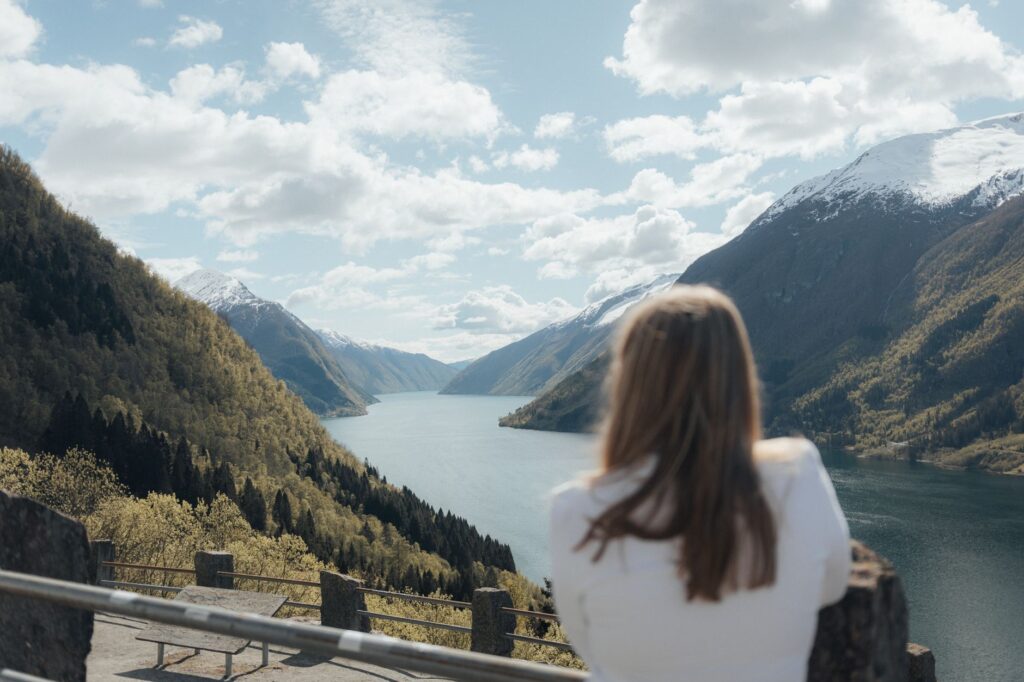
Spring break doesn’t have to mean crowds and chaos, and it definitely doesn’t require a week off work. We’ve become big believers in solo spring break trips for a couple of days—those quick escapes that recharge you without depleting your vacation days or budget. Whether you’ve got a long weekend or just two nights to spare, these destinations deliver everything we love about solo travel: freedom, spontaneity, and that delicious feeling of answering to no one but yourself.
After years of squeezing short trips into busy schedules, we’ve learned which places pack the biggest punch in the smallest timeframe. These aren’t your typical spring break destinations—you won’t find party-centric beach towns here. Instead, we’re sharing spots where you can actually hear yourself think, meet locals without trying too hard, and come home feeling like you actually had a vacation.
Table of Contents
Why Short Solo Trips Work Perfectly for Spring Break
We used to think solo trips needed to be these epic week-long adventures to be worth the effort. Then we discovered the magic of the two-to-three-day solo getaway, and honestly, we’re converts. There’s something liberating about a short solo vacation—you don’t have time to overthink dinner plans or feel lonely because you’re constantly moving, exploring, and soaking it all in.
Spring break timing makes these quick trips even better. The weather’s finally warming up in most places, but summer crowds haven’t arrived yet. We’ve found that traveling solo during spring break, especially mid-March through April, means you’ll encounter other solo travelers doing the same thing, making those spontaneous connections way easier.
9 Best Solo Spring Break Destinations for Short Trips
1. Savannah, Georgia
Savannah surprised us with how easy it is to navigate solo. The historic district spans just 2.5 square miles, so you can walk everywhere, and the city’s famous squares give you natural spots to pause, people-watch, and reset. We spent an entire afternoon in Forsyth Park just reading and chatting with locals who were more than happy to share their favorite spots.
The food scene here is incredible for solo dining—counter seating at The Grey, communal tables at Collins Quarter, and the to-go window at Leopold’s Ice Cream meant we never felt awkward eating alone. Spring brings the azaleas and dogwoods into full bloom, and temperatures hover in the perfect 70-degree range. Two days gives you enough time to wander the historic district, take a solo kayak tour through the marshes, and still have time for ghost tours if that’s your thing.
2. Sedona, Arizona
If you need solo spring break trips for a couple of days that feel spiritually restorative, Sedona delivers without any of the woo-woo pressure. The red rocks are genuinely stunning in person, and the hiking here works perfectly for solo travelers—trails like Devil’s Bridge and Cathedral Rock are popular enough that you’ll see other hikers but never feel unsafe.
We loved how compact Sedona is. You can base yourself in Uptown, walk to breakfast spots and trailheads, and spend your evenings watching sunset from Airport Mesa without needing to drive much. Spring weather is absolutely perfect—warm days, cool nights, and wildflowers starting to pop along the trails. The town attracts a lot of solo travelers and wellness-seekers, so striking up conversations felt natural rather than forced.
3. Charleston, South Carolina
Charleston won us over with its walkability and the fact that solo dining is completely normalized here. We ate at the bar at Husk, FIG, and The Ordinary, and each time, the bartenders and neighboring diners pulled us into conversation. The city’s compact peninsula layout means you can cover the French Quarter, Waterfront Park, and King Street shopping in a relaxed two-day itinerary without feeling rushed.
Spring is Charleston’s absolute sweet spot—before the humidity becomes oppressive but after the winter chill. We spent our mornings walking through the historic neighborhoods south of Broad Street, stopped for she-crab soup at 167 Raw, and spent afternoons exploring the galleries on Queen Street. The city’s pace is slow enough for solo travelers to feel comfortable but lively enough that you’re never bored.
4. Portland, Maine
Portland delivers that quintessential coastal New England experience in an incredibly manageable package. The Old Port district is walkable, filled with breweries and lobster shacks, and the city’s small size means you’ll start recognizing faces by day two. We found solo travel here refreshingly easy—Mainers are friendly without being intrusive, and there’s zero pretension about eating alone at the bar with a lobster roll.
Spring arrives late here, usually mid-April, but that’s part of the charm. You’ll catch the tail end of off-season pricing while the city gears up for summer. We spent our first day exploring the Eastern Promenade trail and popping into the Portland Museum of Art, then dedicated day two to a solo ferry ride out to Peaks Island. The crossing takes just twenty minutes, and cycling around the island solo felt meditative and surprisingly social—we met four other solo travelers doing the same thing.
5. Austin, Texas
Austin’s reputation as a friendly city is absolutely deserved, and we found it ridiculously easy to meet people as a solo traveler. The city’s live music scene means you’re always surrounded by other people enjoying shows alone, and the communal picnic tables at spots like Franklin Barbecue and Veracruz All Natural practically force you into conversations with neighbors.
Two days gives you enough time to explore South Congress, catch sunset at the Congress Avenue Bridge (bats start emerging in late March), and spend a morning kayaking Lady Bird Lake. Spring in Austin means bluebonnets, warm weather, and outdoor patios everywhere. We loved how the city balances outdoorsy activities with urban exploration—you can hike the Barton Creek Greenbelt in the morning and catch live music on Sixth Street that night.
6. Asheville, North Carolina
Asheville attracts solo travelers like moths to a flame, and within hours of arriving, we understood why. The downtown is compact and walkable, the brewery scene offers endless solo-friendly bar seating, and the surrounding Blue Ridge Mountains provide that nature-reset many of us crave during spring break. We hiked part of the Blue Ridge Parkway in the morning, explored the River Arts District in the afternoon, and ended both evenings at different breweries where conversations started easily.
The city’s bohemian vibe means nobody bats an eye at solo diners or hikers. We felt completely comfortable wandering alone, and the mix of outdoor adventure and artsy downtown culture gave us the perfect balance. Spring temperatures are ideal—cool enough for hiking, warm enough for outdoor seating. Two days felt just right for hitting our must-dos without feeling rushed.
7. Santa Fe, New Mexico
Santa Fe’s compact historic plaza makes it incredibly easy to navigate solo, and the city’s art-focused culture creates natural opportunities for connection. We spent hours wandering through Canyon Road’s galleries, struck up conversations with artists, and never once felt awkward being alone. The city’s high desert setting and spring weather—sunny, mild, low humidity—made walking everywhere a genuine pleasure.
Two days let us explore the plaza, visit Meow Wolf (which is mind-blowing and totally fine to experience solo), and take a morning hike at Atalaya Mountain right from downtown. The food scene here is special—New Mexican cuisine with counter seating at places like The Shed and Tia Sophia’s where solo dining is standard. We also loved how the city shuts down early, which meant no pressure to stay out late or FOMO about missing nightlife.
8. San Luis Obispo, California
San Luis Obispo became one of our favorite discoveries for short solo trips. This Central Coast college town offers the perfect mix of beach access, hiking, and a walkable downtown with a Thursday night farmers market that’s more block party than produce stand. We met more locals and fellow travelers at that farmers market than anywhere else on this list.
Spring is absolutely prime time here—the hills are green, wildflowers blanket the surrounding areas, and temperatures hover in the comfortable 60s and 70s. We spent day one hiking Bishop Peak (the summit views are worth the effort), then dedicated day two to exploring nearby Avila Beach and the tide pools at Montana de Oro. The town’s laid-back vibe and genuine friendliness made solo travel feel effortless. Downtown is compact enough to cover on foot, with great coffee shops and wine bars perfect for solo visitors.
9. Burlington, Vermont
Burlington’s location on Lake Champlain gives it a special energy, especially in spring when the university students bring life to Church Street and the waterfront bike path becomes everyone’s after-work destination. We loved how manageable this city felt—you can walk from downtown to the waterfront in ten minutes, and the local food scene punches way above its weight for a city of 45,000 people.
Late April through May is ideal here, after the snow melts but before summer tourism kicks in. We spent our time walking the waterfront path, exploring the Church Street Marketplace, and taking a ferry across to New York’s Adirondacks just for the views. Solo dining was easy at spots like Hen of the Wood and Farmhouse Tap & Grill, where bar seating and communal vibes made conversations flow naturally. The city’s compact size meant we covered our must-see list comfortably in two days without feeling like we were rushing.
Where to Eat Solo
Solo dining became one of our favorite parts of these short trips once we learned where to sit and when to go. Counter seating and bar spots are your friend—we always asked for bar seating at restaurants, which naturally leads to chatting with bartenders and neighboring diners. In Savannah, we loved the bar at The Grey where the staff treated solo diners like regulars. Charleston’s 167 Raw has a fantastic raw bar where sitting alone feels perfectly normal.
For breakfast, coffee shops with communal tables worked beautifully. We met other solo travelers over morning coffee at Jittery Joe’s and at Case Study Coffee. Lunch worked well at counter-service spots—barbecue joints, taco stands, and sandwich shops where eating quickly and alone is standard. Austin’s Veracruz All Natural and Portland’s Duckfat both have communal picnic tables that facilitate easy conversation if you’re feeling social.
Dinner required a bit more strategy. We typically made one dinner reservation at a nicer spot where we wanted bar seating, then kept other nights casual with food halls, breweries, or early dining. Santa Fe’s Meow Wolf has a surprisingly good restaurant where solo diners blend right in with the eccentric crowd. Burlington’s Farmhouse Tap & Grill and Asheville’s Wicked Weed both offer that perfect brewery atmosphere where solo visitors are completely normal.
Where to Stay
For solo spring break trips lasting just a couple of days, location matters more than luxury. We’ve learned to prioritize walkable neighborhoods over amenities, which usually means staying in the heart of downtown or historic districts even if it costs a bit more. Being able to walk home after dinner or drinks eliminates the stress of rideshares and makes spontaneous exploring easier.
Boutique hotels worked well for us in places like Charleston and Savannah, where properties in the historic districts put us within walking distance of everything. We appreciated hotels with communal spaces—lobbies with seating, rooftop bars, or breakfast rooms—where we occasionally met other travelers. Chain hotels near downtown areas offered reliable, affordable options in Burlington and Austin where we just needed a clean base for exploring.
We’ve also had great experiences with well-reviewed guesthouses and small inns in Asheville and Sedona, where hosts often provided excellent local recommendations and sometimes introduced solo travelers to each other. For Portland and San Luis Obispo, staying near the Old Port and downtown respectively meant we maximized our limited time without worrying about transportation. Book accommodations with flexible cancellation policies when possible, and read recent reviews specifically mentioning solo travelers to gauge how welcoming properties are to single guests.
How to Get There
Most of these destinations have decent regional airports that connect through major hubs, making flying the quickest option for short trips. We flew into Savannah, Charleston, Austin, and Asheville on direct or one-stop flights from most East Coast cities. Portland has an easily accessible airport just twenty minutes from downtown, and Burlington’s small airport connects through major Northeast hubs.
Driving worked perfectly for Sedona if you’re already in the Southwest, and the scenic drive through Oak Creek Canyon is spectacular in spring. Santa Fe is about an hour north of Albuquerque’s airport, and many visitors rent cars there. San Luis Obispo sits along Highway 101, making it an ideal stop on a California coast road trip or accessible via a three-hour drive from either Los Angeles or San Francisco.
For car-free travel, Portland, Charleston, Savannah, and Burlington are all walkable enough that you won’t need a vehicle if you stay centrally. Austin has decent rideshare coverage, though we found renting a car useful for accessing hiking spots. Sedona really requires a car for trailhead access, and having wheels in San Luis Obispo opens up coastal exploration. We typically decide based on flight costs versus rental car expenses for our specific dates.
Costs
| Expense | Budget Range | Notes |
|---|---|---|
| Accommodation (per night) | 80 to 180 dollars | Mid-range hotels in walkable areas |
| Meals (per day) | 40 to 70 dollars | Mix of casual and nicer dining |
| Activities | 0 to 50 dollars | Many hiking and walking options are free |
| Transportation | 30 to 60 dollars | Airport transfers, occasional rideshares |
| Total (2-day trip) | 300 to 600 dollars | Excluding flights, based on mid-range travel |
These costs reflect our actual spending on recent trips, traveling comfortably but not extravagantly. Spring break timing can increase accommodation costs by twenty to thirty percent in popular spots like Charleston and Savannah, so booking early helps. We found that destinations like Portland, Burlington, and Asheville offered better value than coastal Southern cities during peak spring weeks.
Solo travel does mean absorbing full accommodation costs without splitting, but we offset this by choosing smaller, well-located properties over resorts, eating some meals at casual spots, and taking advantage of free activities like hiking and walking tours. Many of these destinations offer excellent happy hour deals and early-bird dining specials that solo travelers can easily take advantage of by dining at off-peak times.
Best Time to Visit
For solo spring break trips spanning just a couple of days, we found mid-March through late April offered the sweet spot across most of these destinations. Southern cities like Charleston, Savannah, and Austin are absolutely beautiful during this window, with warm temperatures, blooming flowers, and manageable humidity. Sedona and Santa Fe enjoy perfect spring weather with clear skies and comfortable hiking temperatures.
Northern destinations like Portland, Burlington, and Asheville experience later springs, so we’d aim for mid-April through May when temperatures warm up but summer crowds haven’t arrived. San Luis Obispo and coastal California enjoy mild weather year-round, but spring brings green hills and wildflowers that make the landscape especially photogenic.
Weekday travel during spring break often means better accommodation rates and fewer crowds than weekends, especially if you can travel during the weeks that don’t align with college spring break. We’ve noticed that late March and early April see the biggest crowds, while mid-to-late April offers better deals and a more relaxed pace while still delivering great weather across most of these destinations.
FAQ
Is two days enough for a solo spring break trip?
Absolutely, and we’d argue that two to three days is actually ideal for many solo travelers, especially if it’s your first time traveling alone. Short trips eliminate the pressure of filling a week-long itinerary and reduce the chances of feeling lonely or overwhelmed. We’ve found that shorter solo trips often feel more intense and memorable because we’re constantly exploring without downtime to overthink things. These destinations all offer enough activities and atmosphere to fill two full days without feeling rushed, and you’ll come home refreshed rather than exhausted.
Are these destinations safe for solo travelers?
We felt completely safe in all nine destinations, though we always practice standard solo travel precautions regardless of where we visit. These cities all have walkable downtown areas with good lighting and regular foot traffic, which we prioritize when choosing solo destinations. We shared our itineraries with friends back home, stayed aware of our surroundings, and trusted our instincts about which areas to explore and when. The college-town and tourist-friendly nature of these places means they’re accustomed to solo visitors, and we never experienced any situations that made us uncomfortable.
How do I meet people on a short solo trip?
Short trips actually make meeting people easier because you’re more likely to say yes to spontaneous opportunities. We met fellow travelers and locals through walking tours, by sitting at restaurant bars instead of tables, at breweries and coffee shops with communal seating, and simply by asking locals for recommendations. Spring break timing means you’ll encounter other solo travelers doing the same thing. We found that staying in boutique hotels rather than large chains sometimes led to conversations in communal spaces, and activities like farmers markets or live music venues created natural opportunities for connection without forced interaction.
Should I rent a car for these trips?
It depends on the destination and your comfort level. We didn’t need cars in Charleston, Savannah, Portland, Burlington, or downtown Austin because everything was walkable or accessible via rideshares. Sedona really requires a vehicle for accessing trailheads, and having a car in San Luis Obispo and Santa Fe opened up more exploration options. Asheville is walkable downtown but benefits from a car if you want to explore the Blue Ridge Parkway or more remote hiking spots. For a two-day trip, we often skip the car rental if the destination is walkable, since it’s one less thing to think about and parking can eat into exploration time.
What should I pack for a couple-day spring break trip?
We’ve gotten our short-trip packing down to a science: one small carry-on and a personal item. Spring weather can be unpredictable, so we pack layers including a light jacket, comfortable walking shoes that can handle both city streets and light trails, and one slightly nicer outfit for dinners out. A reusable water bottle, phone charger, and small day pack for hikes or beach visits round out the essentials. Since it’s just a couple of days, we wear our bulkiest shoes on the plane and pack minimal toiletries. The key is bringing versatile pieces that work for multiple activities so you’re not overthinking outfit changes in your limited time.
How far in advance should I book a short solo trip?
For spring break timing, we recommend booking flights and accommodation at least four to six weeks ahead, especially if you’re traveling during peak college spring break weeks in mid-to-late March. We’ve found that booking too far in advance locks you in, while booking too late means limited availability and higher prices. Four to six weeks out gives you decent flight options and accommodation choices while still allowing some flexibility. For activities, we typically book any must-do tours or experiences a week or two before arrival, though many hiking trails and walking-around activities don’t require advance planning at all.
Our Travel Resources
When we plan these short solo spring break trips, we keep our booking process simple and focus on flexibility wherever possible. For flights, we typically search for the best options by comparing prices across different days, since flying out on a Thursday or Friday versus Saturday can sometimes save significant money during spring break season. We look for airlines with free cancellation or flexible change policies when available, which provides peace of mind for solo travelers who might need to adjust plans.
Accommodation booking requires reading reviews carefully, specifically looking for mentions of solo travelers, walkability to downtown areas, and neighborhood safety. We prioritize properties with flexible cancellation policies and always verify the exact location on a map before booking to ensure we’re truly in walkable areas. For these short trips, we’ve learned that spending a bit more to stay centrally located saves money on transportation and maximizes our limited time.
Travel insurance becomes important even for short trips, especially if we’ve booked non-refundable flights or accommodations. We look for policies that cover trip cancellation, medical emergencies, and lost baggage. For transportation at destinations, we research public transit options and typical rideshare costs before arriving so we know what to expect. Having a general sense of how we’ll get from the airport to our accommodation and around town eliminates stress on arrival.
We also make a point to download offline maps for our destination neighborhoods, save confirmation emails in an easily accessible folder, and share our itinerary with a friend or family member back home. These small organizational steps make solo travel smoother and let us focus on actually enjoying our couple of days away rather than stressing about logistics.
 Solo Traveling15 Best Places to Solo Travel in 2026 (From Someone Who’s Done It)From walking Lisbon's hills alone to island-hopping in Greece, we've spent years exploring the world solo.…
 Destinations12 Best Places to Travel Solo Female in US: 2025 GuideAfter years of solo travel across the country, we've found the US destinations where women traveling…
 Solo TravelingSolo Trips For Women: The Solo Traveler’s Guide (2026)After countless solo trips around the world, we're sharing everything we've learned about traveling alone as…
Some links in this article are affiliate links — we only recommend things we would use ourselves, at no extra cost to you.