
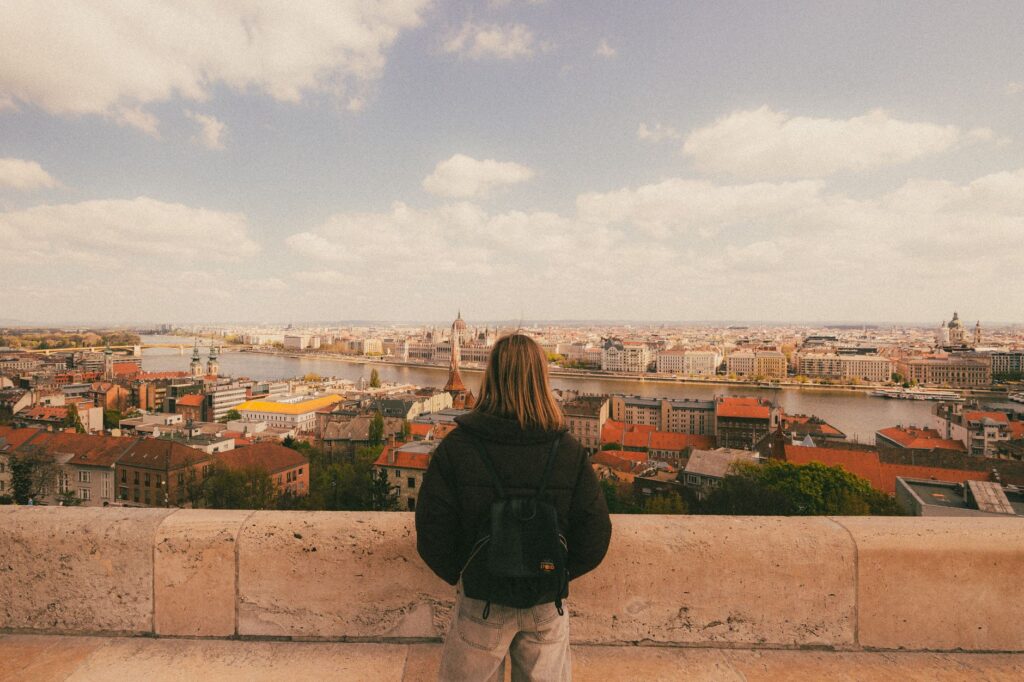
After years of traveling solo across six continents, we’ve learned that the best places to solo travel aren’t just safe or beautiful, they’re the ones where you can genuinely connect with locals, meet other travelers easily, and feel comfortable exploring on your own. These fifteen destinations have given us some of our most memorable solo adventures, and we’re walking you through exactly why they work so well for traveling alone.
Whether you’re taking your first solo trip or you’re a seasoned lone wanderer looking for your next destination, these places offer the perfect mix of safety, accessibility, and that hard-to-define magic that makes solo travel so transformative.
In This Guide
1. Lisbon, Portugal
We fell hard for Lisbon on our first solo visit, and it’s remained one of our top recommendations for anyone traveling alone. The city is incredibly walkable, locals are genuinely warm and helpful, and there’s a thriving community of digital nomads and solo travelers that makes meeting people effortless. The tram system is so intuitive that we navigated the entire city within hours of arriving.
Stay in Alfama or Bairro Alto, where you’ll find yourself chatting with other travelers at miradouros during sunset without even trying. We spent entire afternoons wandering the tiled streets alone, never once feeling unsafe or uncomfortable. The restaurant culture is perfect for solo diners, with counter seating and communal tables at most tascas.
2. Kyoto, Japan
Japan’s ancient capital is one of those rare cities where solo travel feels not just safe but genuinely peaceful. We walked through bamboo groves at dawn, ate ramen at tiny counter-only shops, and visited temples in complete solitude. The public transport is flawless, locals are respectful and helpful, and there’s zero pressure to be social if you’re craving alone time.
The solo dining culture here is a revelation. We sat at countless counters watching chefs prepare our meals, and the experience felt intimate rather than lonely. Kyoto also has enough structure and English signage that navigating solo is stress-free, even if you don’t speak Japanese.
3. Edinburgh, Scotland
Edinburgh won us over with its compact size, rich history, and incredibly friendly pub culture. We stayed in Old Town and walked everywhere, from Arthur’s Seat to Dean Village, never needing transport. The city feels safe at all hours, and Scottish hospitality means you’ll strike up conversations everywhere from whisky bars to coffee shops.
What makes Edinburgh exceptional for solo travelers is how easy it is to join group activities without committing to traveling with anyone. We did a walking ghost tour, hiked with a meetup group, and attended a traditional ceilidh where locals pulled us into dances. You’re alone when you want to be, but never lonely.
4. New Zealand
This entire country is designed for solo adventurers. The backpacker network is so established that you’ll meet fellow travelers at every hostel, campground, and hiking trail. We drove the South Island alone and never felt isolated, thanks to the constant flow of like-minded people exploring the same route. Safety is virtually a non-issue, and the infrastructure makes independent travel incredibly easy.
The natural beauty is the real draw. We hiked the Routeburn Track, kayaked in Abel Tasman, and watched the sunrise at Mount Cook, all alone but surrounded by other solo travelers doing the same. The working holiday visa culture means there’s always a community to tap into if you want company.
5. Copenhagen, Denmark
Copenhagen is effortlessly elegant and perfectly sized for solo exploration. We biked everywhere just like the locals, stopping at canals and parks whenever we felt like it. The Scandinavian approach to solo activities, from dining to museum-going, is completely normalized, so we never felt conspicuous eating alone at Nyhavn or browsing Torvehallerne market.
What surprised us most was how social the city felt despite being easy to navigate alone. We joined free walking tours, chatted with locals at coffee collectives, and found that Danes are much warmer than their reserved reputation suggests. The English proficiency is near-universal, which removes any language anxiety.
6. Chiang Mai, Thailand
The solo travel capital of Southeast Asia, and for good reason. Chiang Mai has perfected the balance of adventure, culture, and community. We stayed in Nimman and met solo travelers everywhere, from yoga classes to cooking schools to the famous Sunday Walking Street. The cost of living is so low that you can splurge on private experiences without guilt.
The digital nomad scene here is massive, which means there are coworking spaces, cafes, and meetups specifically designed for connection. We attended a language exchange, took a private Thai cooking class, and joined a day trip to Doi Inthanon with other solo travelers. Thailand’s reputation for hospitality is absolutely earned.
7. Reykjavik, Iceland
Iceland might seem remote, but Reykjavik is one of the safest and most welcoming cities we’ve visited solo. We walked home from bars at 2am without a second thought and left our laptop at cafes while using the restroom, something we’d never do elsewhere. The capital is tiny and walkable, making orientation effortless.
What makes Iceland brilliant for solo travelers is the abundance of day tours from Reykjavik. We did the Golden Circle, a glacier hike, and the Blue Lagoon all with small groups of other travelers. You get the independence of solo travel with built-in social opportunities. Plus, everyone speaks perfect English.
8. Melbourne, Australia
Melbourne’s laneway culture and thriving arts scene make it endlessly explorable alone. We spent days getting lost in arcades, discovering street art in Fitzroy, and cafe-hopping in Carlton. The public transport is reliable, the city feels safe at all hours, and Australians are genuinely friendly without being intrusive.
The food scene here is a solo traveler’s dream. Counter seating is standard, and we never felt awkward dining alone at even the trendiest restaurants. We also loved how easy it was to take day trips along the Great Ocean Road or to the Yarra Valley, either solo or with organized tours.
9. Porto, Portugal
Porto has all the charm of Lisbon with half the tourists and prices. We stayed in Ribeira and fell into an easy rhythm of morning pastel de nata runs, afternoon port tastings, and evening walks along the Douro. The city is compact enough that we never needed transport, and getting lost in the narrow streets was part of the joy.
What we loved most was how organic social interactions felt. We’d start chatting with someone at a wine bar or on a river cruise and end up exploring together for hours. The solo female travelers we met here all reported feeling completely safe, even walking home late at night.
10. Montreal, Canada
Montreal combines European charm with North American ease, making it ideal for solo travelers who want culture without the hassle. We explored Old Montreal, ate our way through Mile End, and spent hours in Plateau cafes without anyone batting an eye. The bilingual culture means you’ll always find someone who speaks English, though attempting French gets you immediate warmth from locals.
The summer festival season is perfect for solo travelers. We attended Jazz Fest alone and ended up with a group of locals who adopted us for the evening. The city is safe, walkable, and filled with solo-friendly activities from museums to bike paths along the canal.
11. The Spanish Islands (Mallorca & Menorca)
These Balearic gems offer the Mediterranean dream without the party chaos of Ibiza. We rented a scooter in Menorca and spent a week discovering empty beaches and clifftop towns, feeling completely safe and free. Mallorca’s Serra de Tramuntana mountains provided incredible solo hiking, and the villages along the coast were perfect for slow, contemplative travel.
Both islands have excellent bus systems if you don’t want to drive, and locals are used to independent travelers. We ate alone at family-run restaurants and were always treated warmly. The combination of natural beauty, good infrastructure, and Spanish hospitality makes these islands perfect for first-time solo travelers.
12. Slovenia
Slovenia is Europe’s best-kept secret for solo travel. We based ourselves in Ljubljana, one of the most charming and safest capitals we’ve experienced, and took day trips to Lake Bled, Piran, and the Postojna Caves. The country is tiny, everything is affordable, and the tourism infrastructure is excellent without feeling overrun.
What struck us most was how friendly Slovenes are to solo travelers. We were invited to join families at restaurants, received hiking recommendations from strangers, and always felt welcomed. The country is also stunningly beautiful, with opportunities for adventure and relaxation in equal measure.
13. Vietnam
Vietnam’s backpacker trail is legendary, and for good reason. We traveled from Hanoi to Ho Chi Minh City, meeting solo travelers at every stop. The country is set up for independent travel with affordable transport, countless hostels, and tours designed for groups. We never felt alone unless we wanted to be.
The food scene is perfect for solo travelers. Sitting on tiny plastic stools eating pho for breakfast became our daily ritual, and vendors always made us feel welcome. Safety is generally good, though we stayed aware in big cities. The combination of dramatic landscapes, rich history, and incredible value makes Vietnam one of the best places to solo travel in Southeast Asia.
14. Ireland
The Irish gift of gab makes solo travel here uniquely social. We struck up conversations in every pub, at every bus stop, and on every hiking trail. The country feels safe everywhere, public transport connects even remote areas, and the landscapes are so dramatic that we constantly stopped just to absorb the views.
We drove the Wild Atlantic Way solo and loved the freedom to stop whenever inspiration struck. Irish hospitality means you’re never truly alone, whether staying at B&Bs where owners share local tips or joining music sessions at village pubs. The culture embraces solo wanderers.
15. San Sebastián, Spain
This Basque jewel is our favorite city for solo food travelers. The pintxos culture is designed for grazing alone, hopping from bar to bar, chatting with bartenders and fellow diners. We spent evenings in Parte Vieja eating our way through dozens of bars, never feeling awkward or out of place dining solo.
Beyond the food, San Sebastián offers beautiful beaches, great hiking up Monte Igueldo, and a relaxed vibe that makes solo exploration effortless. The city is safe, compact, and has that rare quality of feeling both lively and peaceful. We left feeling completely recharged.
Where to Eat
Solo dining can be intimidating, but in these destinations, it becomes one of the joys of traveling alone. In Lisbon, we loved sitting at the counter at Cervejaria Ramiro, watching the seafood parade while chatting with the staff. In Kyoto, any ramen shop with counter seating offers an intimate, meditative meal where you’re surrounded by locals doing the same.
Melbourne’s Higher Ground has communal tables where we naturally fell into conversation with other diners. In San Sebastián, the entire pintxos culture is built for solo eating, hopping from bar to bar in Parte Vieja with a txakoli in hand. In Chiang Mai, the Sunday Walking Street market lets you graze dozens of stalls, eating as you explore.
Where to Stay
Your accommodation choice shapes your solo travel experience more than anything else. When we want to meet other travelers, we choose social hostels with common areas, organized dinners, and pub crawls. Generator Hostels in Copenhagen, Lisbon, and Dublin strike the perfect balance between private comfort and social opportunity.
For times when we want more solitude, boutique guesthouses and small hotels offer the security and comfort of hotels with the personal touch of B&Bs. In Porto, we stayed at a family-run guesthouse in Ribeira where the owner gave us personalized recommendations every morning. In Reykjavik, Grettir Guesthouse felt like staying with friends.
Airbnbs work well when you want a home base and interaction with a local host. We’ve stayed in apartments in Montreal, Ljubljana, and Melbourne where hosts provided insider tips and neighborhood orientation that guidebooks never capture. The key is choosing accommodations that match whether you’re in a social or solitary phase of your journey.
How to Get There
Most of these destinations have excellent international airports with frequent connections from major hubs. Lisbon, Copenhagen, Reykjavik, and Melbourne all serve as major gateways with direct flights from across Europe, North America, and Asia. We’ve found that booking flights several months in advance typically offers the best rates, especially for long-haul destinations like New Zealand and Australia.
Within Europe, budget airlines and trains make hopping between these cities affordable and easy. We’ve trained from Edinburgh to London, flown Ryanair from Porto to Copenhagen, and taken overnight buses in Vietnam, all smoothly and cheaply. Research rail passes if you’re planning to visit multiple European destinations.
For island destinations like Iceland, Mallorca, and New Zealand, flying is typically your only option, but airports are well-organized and English is widely spoken. Once you arrive, public transport, rental cars, and organized tours make getting around straightforward even for first-time solo travelers.
Costs
| Destination | Budget per Day | Accommodation Range | Meal Cost |
|---|---|---|---|
| Chiang Mai, Thailand | 30-50 USD | 10-40 USD | 2-8 USD |
| Vietnam | 35-60 USD | 10-45 USD | 2-10 USD |
| Porto, Portugal | 50-80 USD | 25-80 USD | 8-20 USD |
| Lisbon, Portugal | 60-100 USD | 30-90 USD | 10-25 USD |
| Edinburgh, Scotland | 70-120 USD | 35-100 USD | 12-30 USD |
| Copenhagen, Denmark | 100-150 USD | 50-130 USD | 15-40 USD |
| Reykjavik, Iceland | 120-180 USD | 60-150 USD | 20-50 USD |
| New Zealand | 80-140 USD | 30-100 USD | 12-35 USD |
These ranges reflect mid-range solo travel, staying in hostels or budget hotels, eating a mix of street food and restaurants, and doing some paid activities. You can absolutely travel cheaper by cooking your own meals and staying in dorm rooms, or spend much more on private accommodations and fine dining.
Best Time to Visit
For European destinations like Lisbon, Porto, Edinburgh, Copenhagen, and San Sebastián, late spring and early fall offer the best balance of good weather and manageable crowds. We particularly love May, June, and September when temperatures are comfortable and prices haven’t peaked. Edinburgh in August means festival madness, which is either perfect or overwhelming depending on your personality.
Iceland is best from June through August for midnight sun and accessible roads, though we loved the shoulder seasons of May and September for fewer tourists and occasional Northern Lights. New Zealand shines from November through March during the Southern Hemisphere summer, though we found February and March ideal after the Christmas rush.
Thailand and Vietnam are best from November through February when temperatures are cooler and rain is minimal. Avoid March and April in Chiang Mai due to burning season. Japan’s cherry blossom season in late March and early April is magical but extremely crowded. We preferred the equally beautiful autumn colors in November with far fewer tourists.
FAQ
What is the safest country to travel to alone?
Based on our experience and crime statistics, Iceland, New Zealand, Slovenia, and Japan consistently rank as the safest countries for solo travelers. We’ve traveled extensively in all four and never had a single safety concern. These countries combine low crime rates with excellent infrastructure and genuinely helpful locals. That said, we’ve felt safe in every destination on this list when following basic travel safety practices like staying aware of surroundings and trusting our instincts.
Where is the best place for a woman traveling alone?
Every destination on this list is excellent for solo female travelers, but we’d particularly highlight Portugal, Scotland, New Zealand, Japan, and Iceland. These countries have strong safety records, welcoming cultures, and infrastructure that makes independent travel straightforward. We’ve met countless solo female travelers in Lisbon and Porto who chose Portugal specifically for their first solo trip and felt completely comfortable. The key is choosing destinations where solo female travel is normalized rather than unusual.
How do I meet people when traveling solo?
Stay in social hostels or guesthouses with common areas, join free walking tours on your first day, take cooking or activity classes, and say yes to invitations from other travelers. We’ve found that simply sitting at bar counters rather than tables naturally leads to conversations. Apps and websites like Meetup, Couchsurfing events, and local Facebook groups also help connect with both travelers and locals. Most importantly, be open and approachable, the solo travel community is incredibly welcoming.
Is solo travel lonely?
Solo travel can be lonely at moments, but it’s rarely lonely overall if you choose social destinations and stay open to connection. We’ve had lonely dinners and quiet evenings, but we’ve also had spontaneous adventures with people we met that day. The beauty of solo travel is controlling your social energy, connecting when you want company and retreating when you need solitude. Destinations with strong backpacker networks or digital nomad communities, like Chiang Mai or New Zealand, make avoiding loneliness especially easy.
What should I do on my first solo trip?
Choose a destination from this list that matches your comfort level, book accommodation in advance for at least the first few nights, and plan one or two activities for your first day so you have structure while adjusting. We always recommend joining a walking tour on day one to orient yourself and potentially meet other travelers. Start with a shorter trip of four to seven days rather than committing to months. Trust your instincts, stay flexible, and remember that most solo travelers felt nervous before their first trip.
How much does solo travel cost compared to traveling with others?
Solo travel typically costs more per person because you can’t split accommodation and transport. We estimate about 30-50 percent more than traveling as a pair, depending on the destination. However, you save money by moving at your own pace, eating when and where you want, and choosing activities that interest you rather than compromising. The freedom is worth the premium. Staying in hostels, using public transport, and cooking occasional meals helps offset the single supplement costs.
Our Travel Resources
After years of solo travel, we’ve learned that preparation makes all the difference between a stressful trip and a transformative one. We always book accommodation for at least the first two nights in advance, giving ourselves a reliable landing place while adjusting to a new destination. Research transportation options before arriving so you’re not figuring out trains or buses while exhausted from a long flight.
Travel insurance is non-negotiable when traveling alone. Having coverage for medical emergencies, trip cancellations, and lost belongings provides peace of mind that makes solo travel less stressful. We also keep digital and physical copies of important documents like passports, stored separately.
For getting around, we research public transport thoroughly and download offline maps before arriving. Having a local SIM card or international phone plan means you’re never truly stranded. Most importantly, trust your instincts throughout your journey. Solo travel teaches you to listen to your gut, and that intuition becomes one of your most valuable travel tools.
{“@context”:”https://schema.org”,”@type”:”FAQPage”,”mainEntity”:[{“@type”:”Question”,”name”:”What is the safest country to travel to alone?”,”acceptedAnswer”:{“@type”:”Answer”,”text”:”Based on experience and crime statistics, Iceland, New Zealand, Slovenia, and Japan consistently rank as the safest countries for solo travelers, combining low crime rates with excellent infrastructure and genuinely helpful locals.”}},{“@type”:”Question”,”name”:”Where is the best place for a woman traveling alone?”,”acceptedAnswer”:{“@type”:”Answer”,”text”:”Portugal, Scotland, New Zealand, Japan, and Iceland are particularly excellent for solo female travelers, with strong safety records, welcoming cultures, and infrastructure that makes independent travel straightforward.”}},{“@type”:”Question”,”name”:”How do I meet people when traveling solo?”,”acceptedAnswer”:{“@type”:”Answer”,”text”:”Stay in social hostels with common areas, join free walking tours, take cooking or activity classes, sit at bar counters rather than tables, and use apps like Meetup or Couchsurfing events to connect with travelers and locals.”}},{“@type”:”Question”,”name”:”Is solo travel lonely?”,”acceptedAnswer”:{“@type”:”Answer”,”text”:”Solo travel can have lonely moments, but it’s rarely lonely overall if you choose social destinations and stay open to connection. The beauty is controlling your social energy, connecting when you want company and retreating when you need solitude.”}},{“@type”:”Question”,”name”:”What should I do on my first solo trip?”,”acceptedAnswer”:{“@type”:”Answer”,”text”:”Choose a destination that matches your comfort level, book accommodation in advance for the first few nights, plan one or two activities for your first day, join a walking tour to orient yourself, and start with a shorter trip of four to seven days.”}},{“@type”:”Question”,”name”:”How much does solo travel cost compared to traveling with others?”,”acceptedAnswer”:{“@type”:”Answer”,”text”:”Solo travel typically costs 30-50 percent more per person because you can’t split accommodation and transport, though staying in hostels, using public transport, and cooking occasional meals helps offset the single supplement costs.”}}]}
 Solo Traveling9 Best Solo Spring Break Trips For A Couple Of Days (2026 Guide)Spring break doesn't have to mean crowds and chaos. We've tested these nine perfect solo spring…
 Destinations12 Best Places to Travel Solo Female in US: 2025 GuideAfter years of solo travel across the country, we've found the US destinations where women traveling…
 Solo TravelingSolo Trips For Women: The Solo Traveler’s Guide (2026)After countless solo trips around the world, we're sharing everything we've learned about traveling alone as…
Some links in this article are affiliate links — we only recommend things we would use ourselves, at no extra cost to you.